
Operations
Hostel operations guide: selling beds, not rooms
Jun 9, 2026 · 6 min read
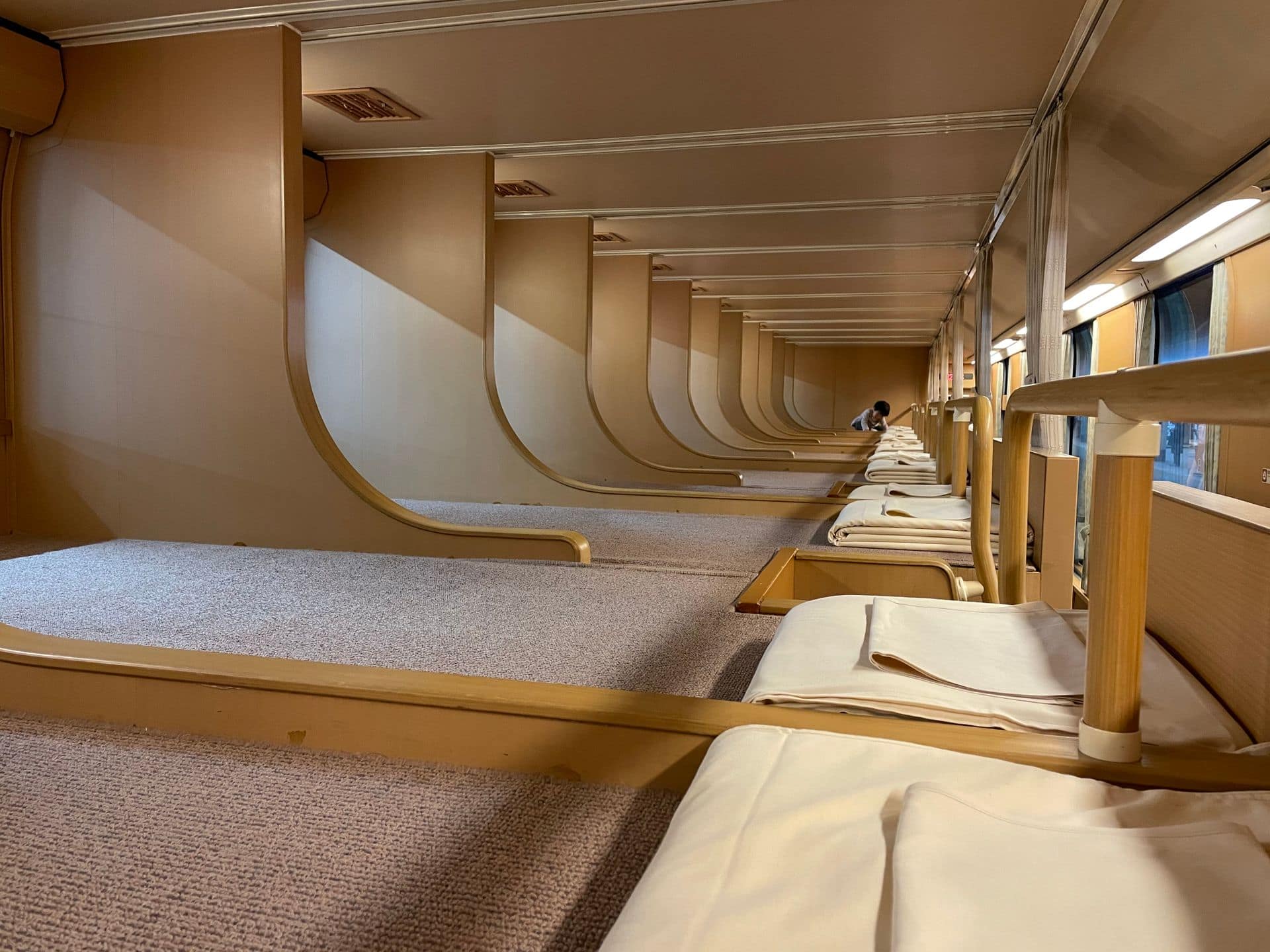
Hotels sell rooms. Hostels sell beds, and that one difference changes how you build inventory, how you take bookings, how you staff the desk and how you measure success. Most hostel operations problems come from treating a dorm like a room. This guide walks through the basics: bed-level inventory, mixed and private dorms, group and long-stay bookings, common areas as revenue, security and lockers, staffing with volunteers and the handful of metrics worth watching.
Selling beds, not rooms
A room is a fixed unit. A bed is a unit that shares a space with other units, and that shared space has rules: gender, group, age, sometimes noise. The bed is what the guest pays for, but the room is what they experience.
This is why hostel inventory needs two layers. The bed is what you sell and what appears on Hostelworld, Booking.com or your own site. The room is what you manage: which beds it contains, who can share it, when it is cleaned and when it becomes a private booking.
Mixed and private dorm inventory
Most hostels run three kinds of rooms, and each behaves differently on the calendar.
- Mixed dorms are the easiest to sell and the hardest to manage, because every bed is available to anyone.
- Female-only dorms are a promise. One wrong assignment breaks it, so the system must enforce the rule, not just display it.
- Private rooms behave like hotel rooms, and some hostels also sell a full dorm as a private room for groups.
The flexible dorm trap
Selling a dorm both as individual beds and as a private room is attractive but risky. If one bed sells, the private option must close instantly, and if the private option sells, every bed must close. Manual updates cannot keep up with that; either use a system that handles it or pick one mode per room and stick to it.
Bed-level calendars in hostel operations
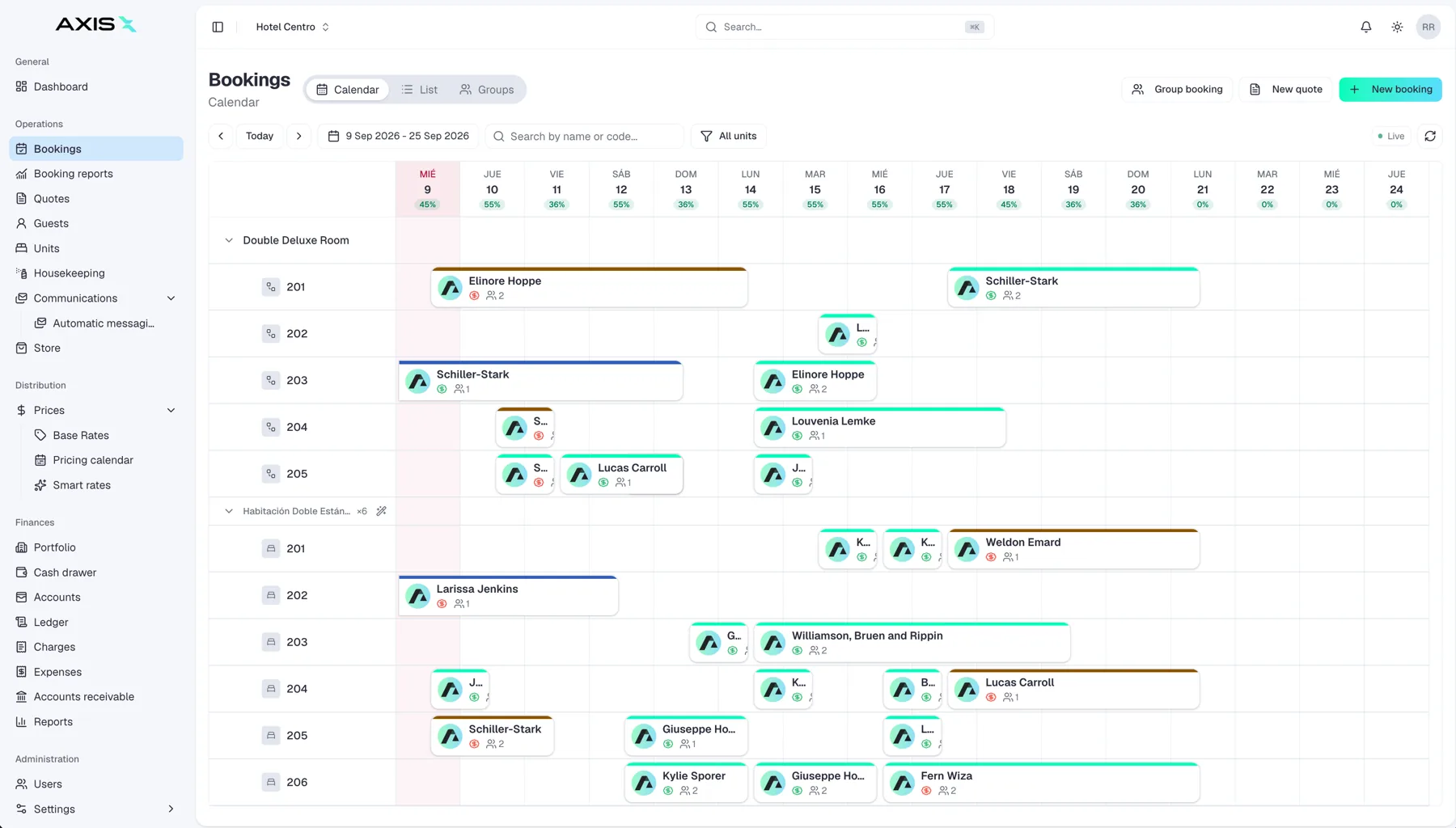
The calendar is the heart of hostel operations, and it has to be at bed level. That means each bed has its own line, its own bookings and its own status, and the room view is a sum of its beds.
- A guest who extends stays in the same bed when possible, and moves only when necessary.
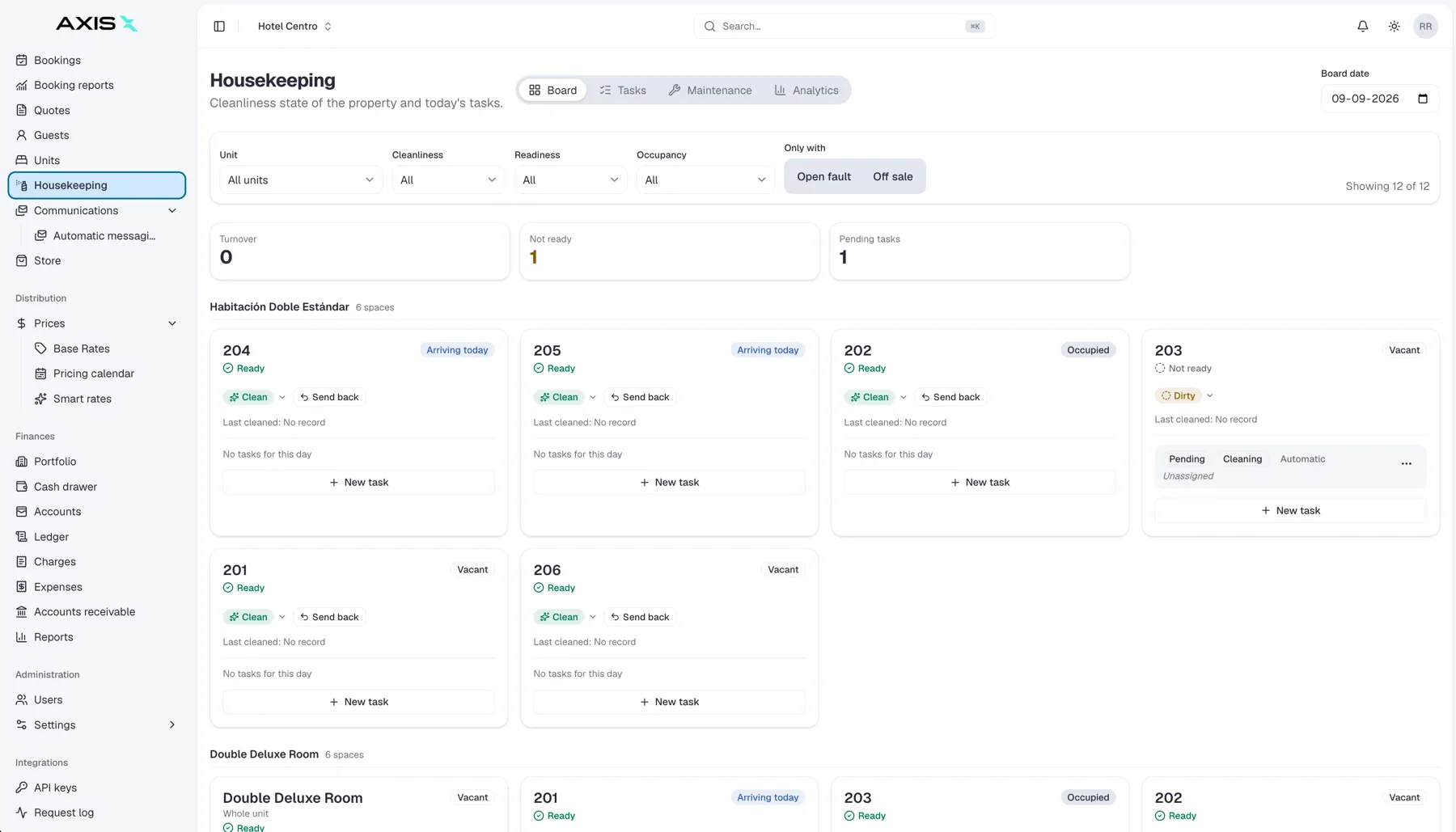
- Housekeeping sees which beds turned over today, not just which rooms had activity.
- Maintenance blocks apply to a bed (a broken ladder) or a room (a leak), and the calendar should support both.
- Channels receive availability per bed type, so a room with two free beds shows as two units, not one.
If your calendar cannot tell you who is in bed 4 of room 3 tonight, you are running blind.
Group and long-stay bookings
Groups and long stays fill beds in low season and can ruin the atmosphere in high season. Both need policies.
Groups
- Decide a maximum group size per dorm and per night. Too many groups in one room push out solo travelers, who are the core of most hostels.
- Quote groups on the total, with a deposit and a cancellation window, and hold beds only after the deposit arrives.
- Keep a rooming list: names per bed, collected before arrival. Check-in for 20 people without a list is a lost hour.
Long stays
- Long stays are great for cash flow and for community, but they change the guest mix. Cap them per room.
- Set a weekly rate with weekly cleaning and clear rules about kitchen shelf space and storage.
- Check local rules; in some places a stay beyond a certain length changes the legal status of the guest.
Common areas and events as revenue
The common area is why guests choose a hostel over a cheap hotel. It is also underused as a revenue source.
- Bar and kitchen sales, with a simple way to charge a guest's tab to the booking.
- Events: walking tours, dinners, pub crawls, language nights. Sell tickets, cap the size, track who attended.
- Rentable spaces during quiet hours: a meeting corner for remote workers, a yoga slot on the roof, a bike rental rack.
- Late checkout, luggage storage and laundry as small paid extras.
Attach each sale to the guest's stay so the checkout bill is one bill. Guests are far happier paying one total than being chased for a beer from Tuesday.
Security, lockers and staffing
Trust is the product in a shared room. Guests need to know their things and their sleep are safe.
- One locker per bed, large enough for a backpack, with a lock the guest brings or buys.
- Key cards or codes per room, changed when a guest checks out.
- A desk that is staffed or reachable at night. Solo travelers arriving at 2 am need someone to open the door.
- Clear rules on visitors: no non-guests in dorms, common areas only, and a time after which visitors leave.
Staffing with volunteers and travelers
Many hostels run partly on volunteers who trade hours for a bed. It works when the arrangement is clear and legal.
- Check the rules where you operate; volunteer work in exchange for accommodation is regulated differently by place, and in some it is treated as employment.
- Write down the hours, the tasks and the length of the stay. Ambiguity breeds resentment on both sides.
- Keep one paid, accountable manager per shift. Volunteers add energy, not responsibility.
Key metrics for hostels
Hotel metrics translate poorly. Watch these instead:
- Bed occupancy, by dorm type. A full female dorm and an empty mixed dorm tell you something about your mix.
- Revenue per available bed, the hostel version of the hotel's per-room measure.
- Average length of stay, and the share of long stays.
- Ancillary revenue per guest: bar, events, extras. In a healthy hostel this is a meaningful share of the total.
- Review scores on cleanliness and atmosphere, which move bookings more than price does in this segment.
A central system that keeps beds, bookings, extras and payments in one place makes these numbers available without a spreadsheet night.
Frequently asked questions
Should I sell dorms as private rooms too?
Only if your system closes the beds and the private option in real time against each other. Otherwise the risk of a double booking outweighs the gain from flexibility.
How many long-stay guests are too many?
There is no universal number, but many operators cap long stays to a minority of beds per dorm so that the room keeps turning over and the atmosphere stays fresh.
What is the most important hostel metric?
Revenue per available bed, because it combines occupancy and price into one number. Pair it with ancillary revenue per guest to see the full picture.


 Direct
 Booking.com
 Airbnb
 Expedia