
Operations
Group bookings and events: a checklist for properties
Aug 24, 2026 · 6 min read
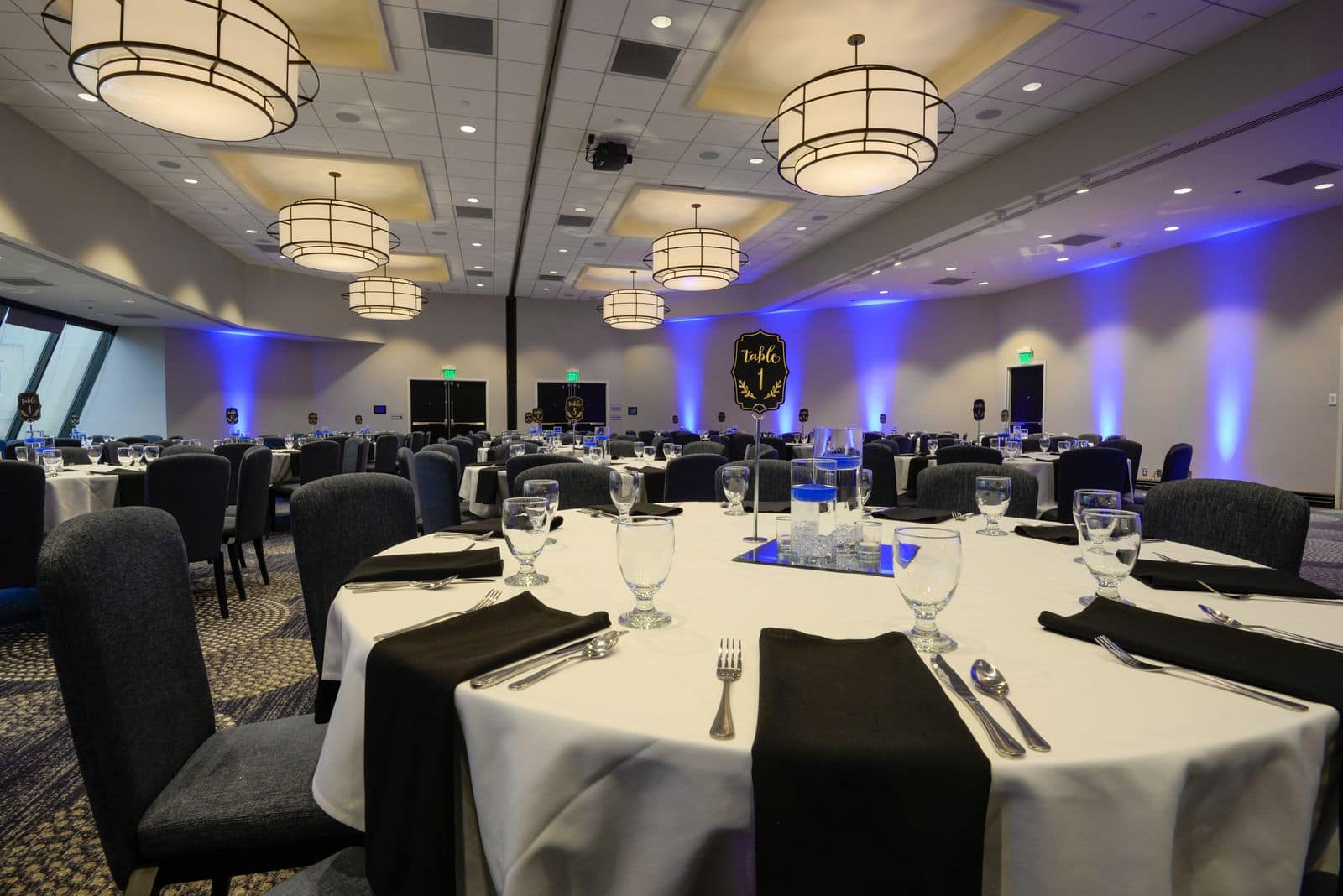
A group booking looks like good news: twenty rooms sold in one conversation, a banquet, a meeting room, maybe a full buyout. It is good news, as long as the details are handled. Most group bookings go wrong not in the sales call but in the weeks after it, when the block is not managed, the rooming list arrives late, the deposit is never chased and the final bill turns into an argument. This checklist covers what to lock down and when.
Set up the room block properly
A room block is a set of rooms held for the group at an agreed rate until a cut-off date. Three things need to be defined before you confirm anything:
- Size and mix: how many rooms, of which types, on which nights. Groups often overestimate; agree a number the organizer is willing to commit to.
- Rate and what it includes: breakfast, parking, meeting space, taxes. Write it down once and reference it everywhere.
- Attrition: what happens if the group uses fewer rooms than blocked. Even a simple clause protects you from holding inventory that never sells.
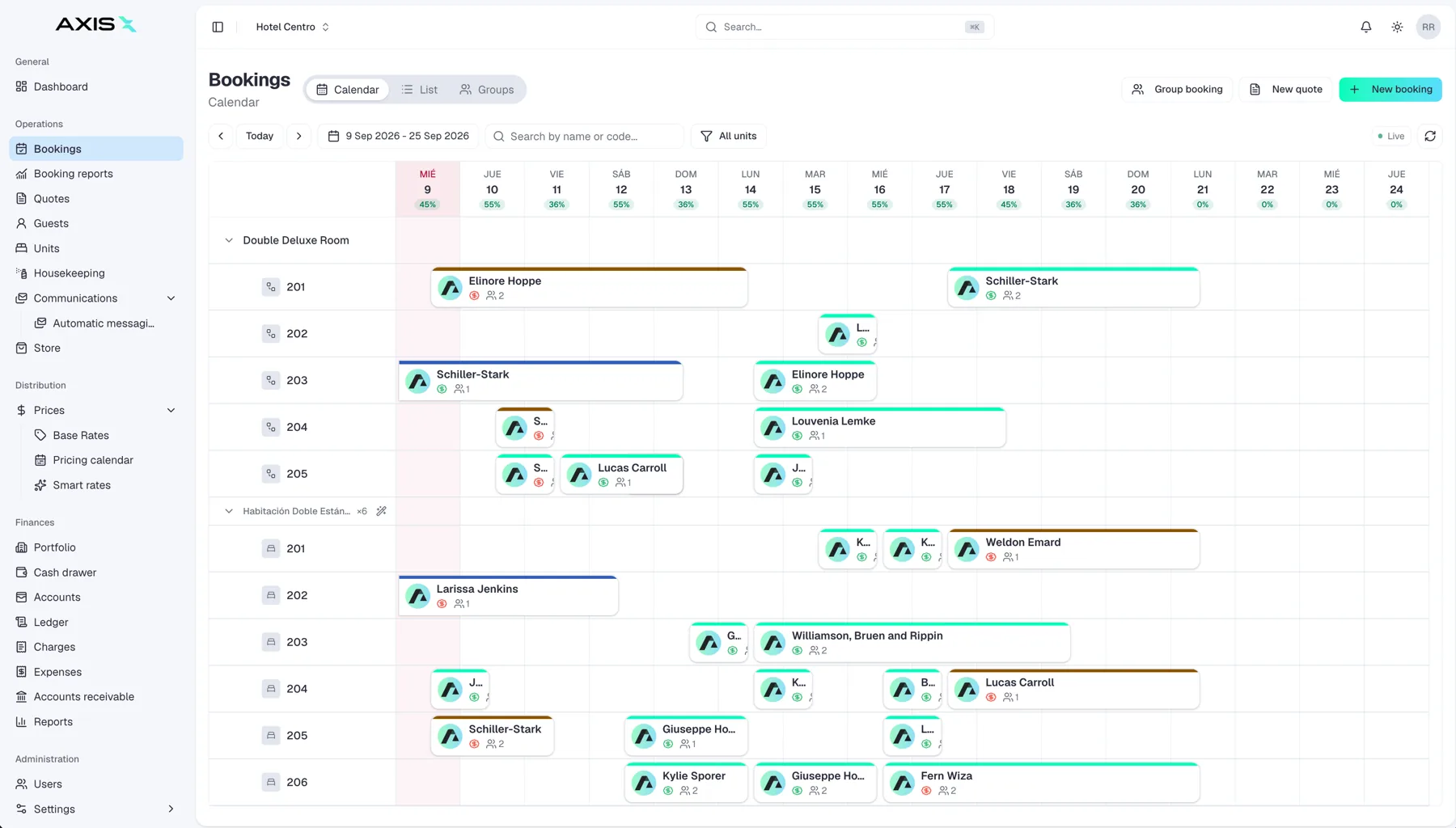
Hold the block in your reservation system as a block, not as twenty individual placeholder bookings. Individual placeholders get lost, get released by accident, or sit on your channels as unavailable long after the group released them.
Protect the rest of your inventory
While a block is held, those rooms are off the market. Check that your channel manager reflects this correctly and that you are not overselling the remaining rooms on peak nights. Blocks should reduce availability everywhere at once.
Get the rooming list early and in one format
The rooming list is the document that turns a block into real reservations: guest names, room sharing, arrival and departure dates, special requests. It is also the single most common source of day-of chaos.
- Ask for it in one agreed format and give the organizer a template
- Set a deadline well before arrival, typically tied to the cut-off date
- Load it into the system as soon as it arrives, and send the organizer a confirmation of what was loaded
- Treat changes after the deadline as exceptions, tracked in writing
If the list arrives the night before with half the names missing, the front desk spends check-in guessing. A clean list a week out means arrivals for the group look like any other arrivals.
Deposits and cut-off dates: the two dates that matter
Every group booking should have two dates that everyone can recite: when the deposit is due and when unbooked rooms are released.
Deposits
A deposit turns intent into commitment. Decide the amount (a percentage or a number of room nights), the due date, and what happens if it is late. Then actually chase it. Deposits that quietly slip are the reason groups cancel at no cost two weeks before arrival.
Cut-off dates
At the cut-off, rooms in the block that have no name attached go back on general sale. This protects your revenue and gives the organizer a clear reason to finalize the list. Remind them a week before the cut-off, not the day after.
Bill the way you agreed, not the way it turns out
Billing is where group bookings generate the most disputes, and almost all of them come from unclear instructions at the start.
Decide, in writing, who pays for what:
- Master account: charges the organizer pays for everyone, typically room and tax, sometimes breakfast or a group dinner
- Individual folios: charges each guest pays at checkout, typically minibar, extra nights, room service, parking
Set this up in the system before the first guest arrives, so incidentals route automatically to the right folio. Then review the master account with the organizer before departure, not after they have left. A ten-minute review at the desk avoids a month of email.
For events with F&B and meeting space, the same rule applies: agree the menu, the numbers and the room setup in a single event order, and bill against that order. Changes made on the day should be signed off by the organizer at the time.
Coordinate the whole property, not just the rooms
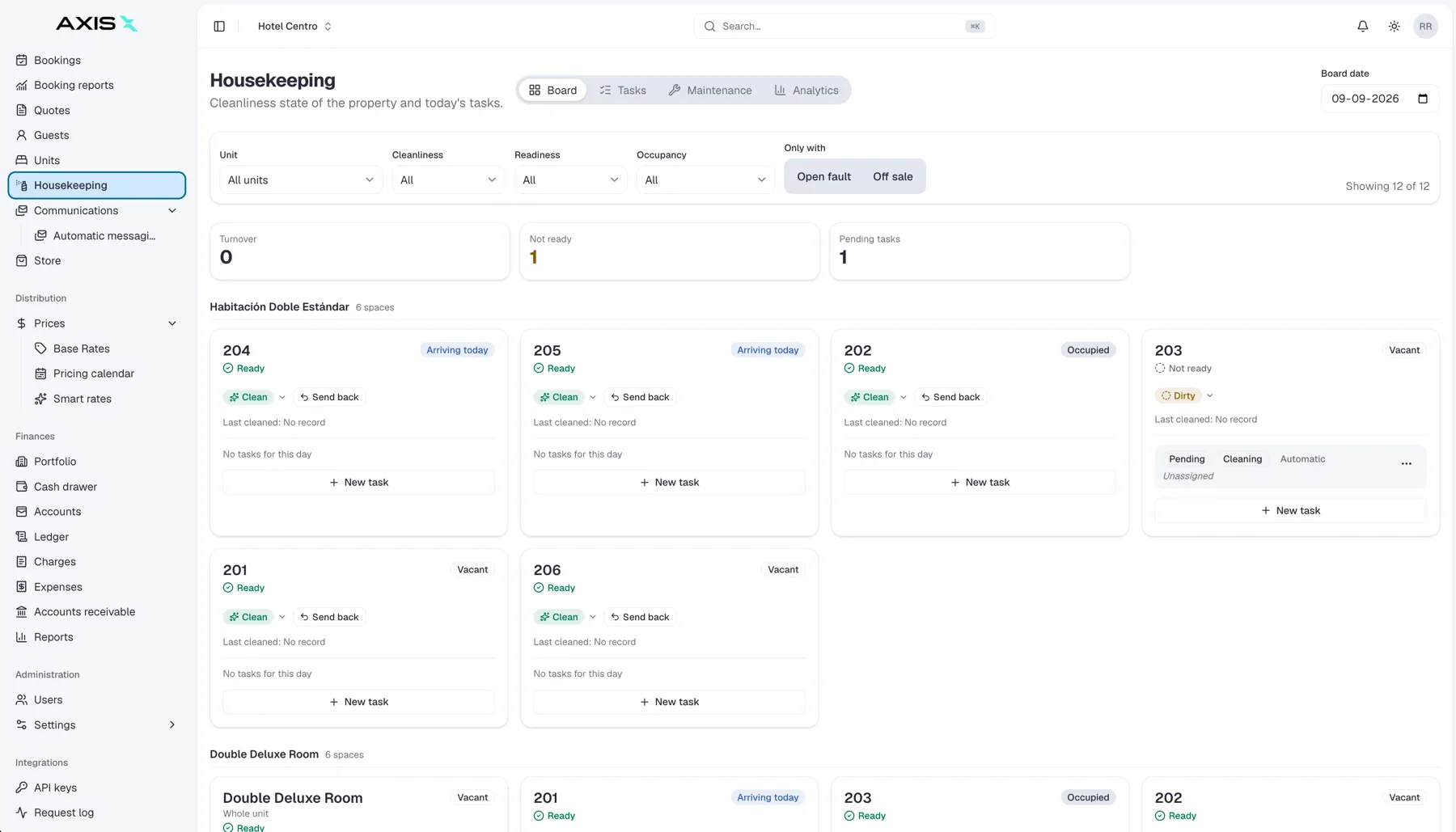
A group touches every department. Housekeeping needs to know that twenty rooms turn over on the same morning. The kitchen needs the confirmed count for dinner. The meeting room needs the setup done before the first attendee walks in.
The simplest tool is a single group sheet, shared with every department, updated whenever anything changes. It lists the block, the arrival pattern, the event schedule, the F&B counts and the billing instructions. When rooms, spaces and billing live in one central system, that sheet is mostly the system itself, and each team sees the parts that matter to them.
Hold a short briefing a day or two before arrival with someone from each department. Fifteen minutes in a back office prevents most of the "nobody told us" moments.
Common mistakes with group bookings
The same handful of errors show up at properties of every size:
- Confirming a block without a deposit date or a cut-off date
- Loading the block as individual reservations that later get released by mistake
- Accepting a rooming list in whatever format arrives and retyping it under pressure
- Letting incidentals land on the master account because folios were not set up
- Reviewing the final bill after the organizer has left
- Forgetting to tell housekeeping and the kitchen about the group at all
None of these are hard to avoid. They happen because the group was sold in one conversation and managed in nobody's calendar.
Frequently asked questions
How far in advance should the cut-off date be?
It depends on how easily you can resell the rooms. For most properties, a cut-off a few weeks before arrival gives enough time to put unbooked rooms back on the market while keeping the organizer engaged.
Should small properties take deposits on group bookings?
Yes. A group at a small property is often a large share of the inventory for those nights. A deposit, even a modest one, makes the commitment real and protects you against last-minute cancellation.
What goes on the master account versus individual folios?
Whatever the organizer agreed to pay in writing goes on the master account, typically rooms and tax and any group meals. Everything else defaults to the guest's own folio, so the organizer is never surprised by someone's minibar.



 Direct
 Booking.com
 Airbnb
 Expedia