
Vacation rentals
Vacation rental management basics for small owners
Jun 23, 2026 · 6 min read

Running one or two rentals feels manageable until it suddenly does not. A booking on Airbnb overlaps with one from Booking.com, the cleaner shows up on the wrong day, and an owner asks for a report you have to build by hand. Vacation rental management is mostly the discipline of closing those gaps before they cost you a review or a payout. This guide covers the basics: where to list, how to keep one calendar, how to price by season, how to run turnovers, how to talk to guests and how to report to owners.
Listing on the right marketplaces
Not every channel deserves your listing. Each one brings a different kind of guest and a different amount of work.
- Airbnb tends to attract leisure travelers and shorter stays, and guests often expect a personal touch.
- Booking.com brings a wider international audience, often with more last-minute bookings and higher expectations around instant confirmation.
- Vrbo typically works well for whole homes, families and longer stays.
- Your own website costs you no commission and gives you the guest relationship, but it needs traffic to matter.
Start with two channels you can actually maintain, not five. A listing that is out of date on a marketplace does more harm than no listing at all, because the guest who books it will be disappointed either way.
What a good listing needs
Photos in daylight, a first line that says who the place is for, an honest description of noise, stairs and parking, and rules that match what you enforce. Update the calendar and the prices before you update anything else.
One calendar for every channel
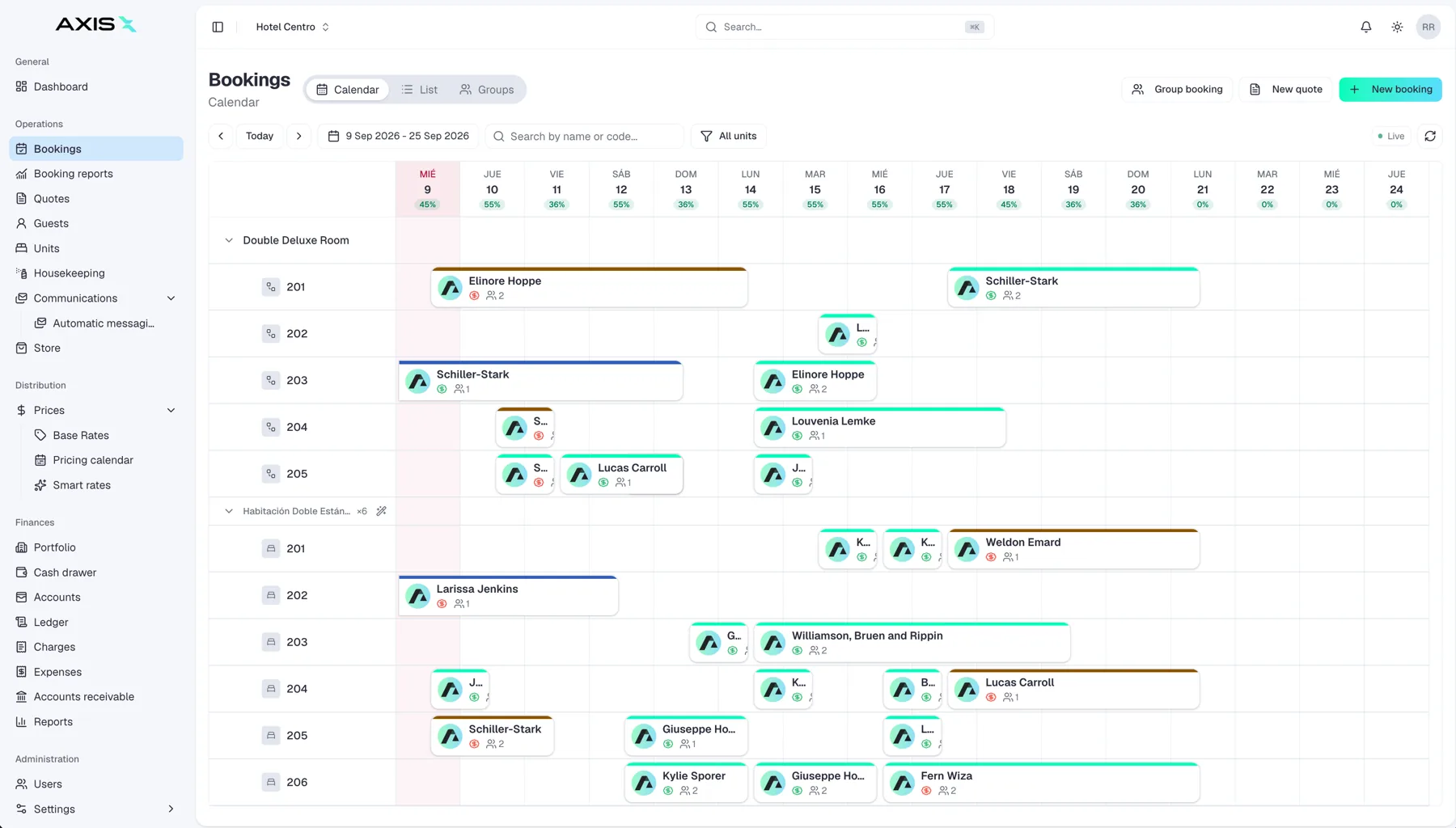
This is the single most important habit in vacation rental management. If each marketplace keeps its own copy of your availability, the copies will disagree eventually, and a disagreement is a double booking.
You have two options. The manual one is to block dates on every channel the moment a booking comes in, every time, including at night and on weekends. The structural one is to connect all channels to one calendar that updates them automatically. With one or two units the manual route can work for a while. Past that point, the time it costs and the mistakes it lets through usually outweigh the cost of a system.
Whichever route you take, one calendar should be the source of truth: bookings, blocked dates for maintenance, owner stays and cleaning buffers all live in the same place.
Pricing by season
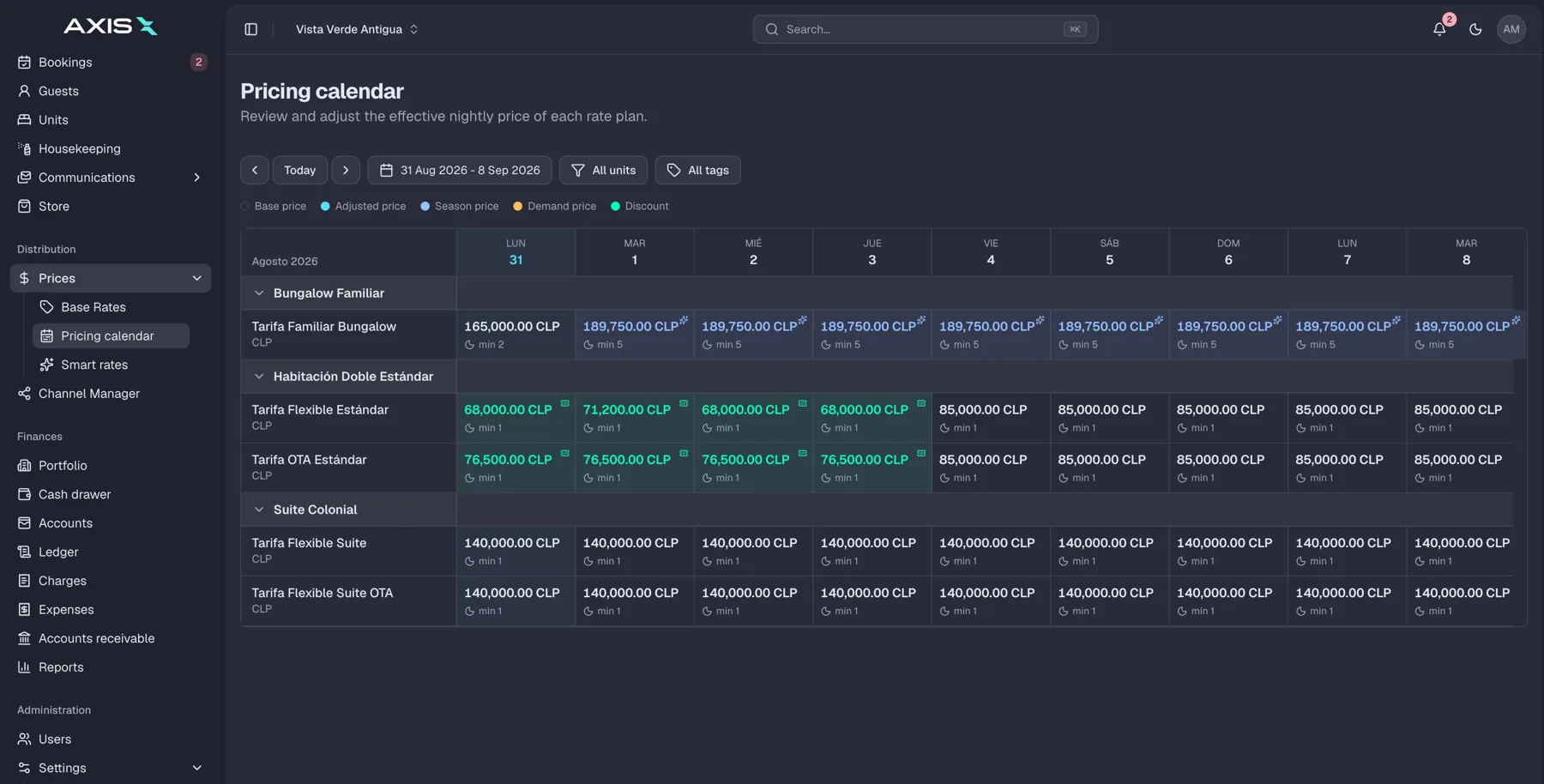
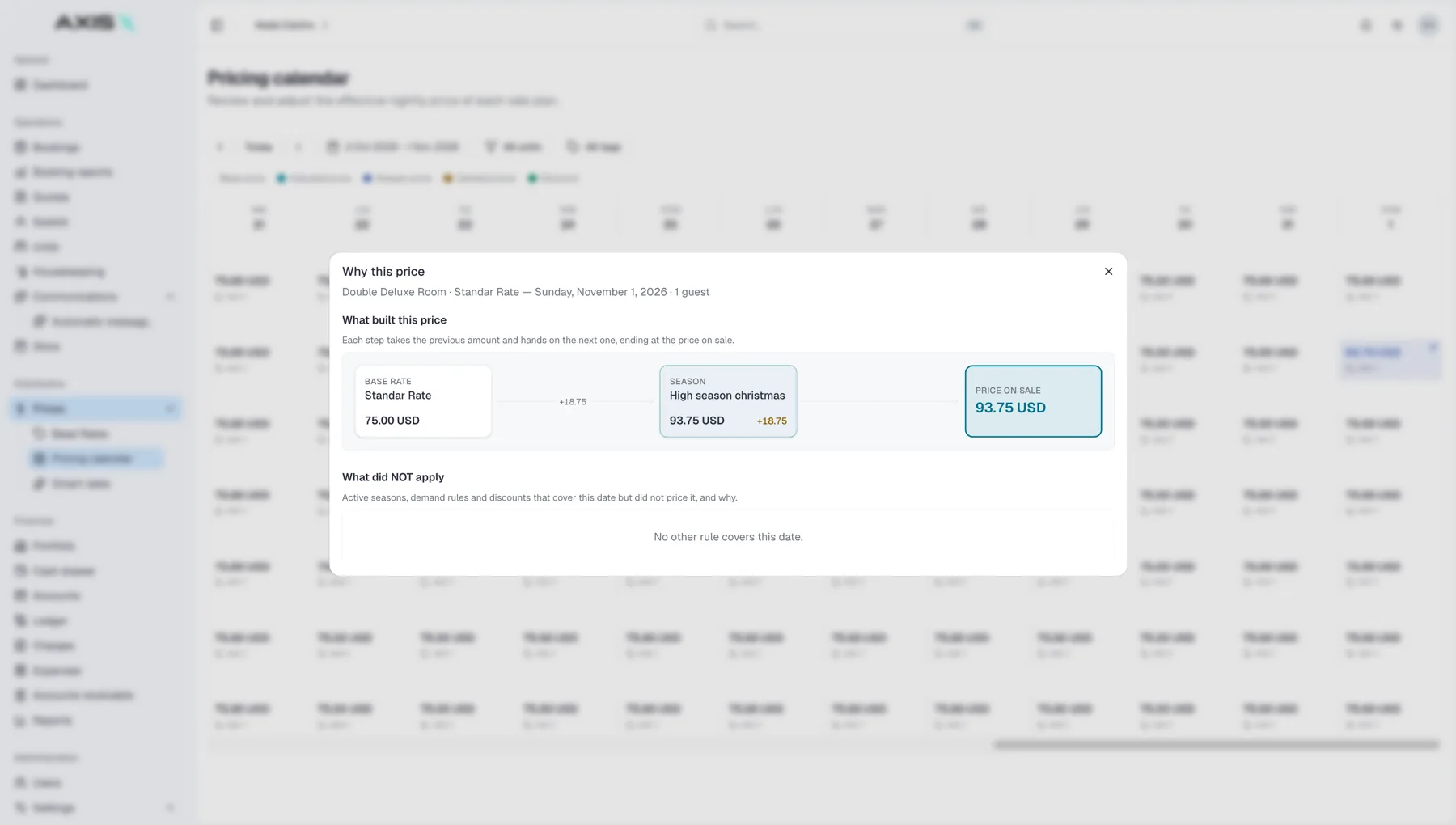
Flat prices leave money on the table in high season and keep the place empty in low season. You do not need complex tools to do better.
- Define three or four seasons for your area: peak, shoulder, low and any local events that change demand.
- Set a base rate per season and a minimum stay that fits demand, longer in peak, shorter in low.
- Add a weekend adjustment if your market is leisure driven.
- Review the calendar every couple of weeks and lower prices on gaps that are getting close.
Keep prices identical across channels unless you are deliberately steering demand. Guests compare, and inconsistent prices erode trust.
Cleaning and turnover logistics
Turnovers are where reviews are won or lost. The cleaning itself matters, but so does the timing between checkout and check-in.
A turnover routine that holds up
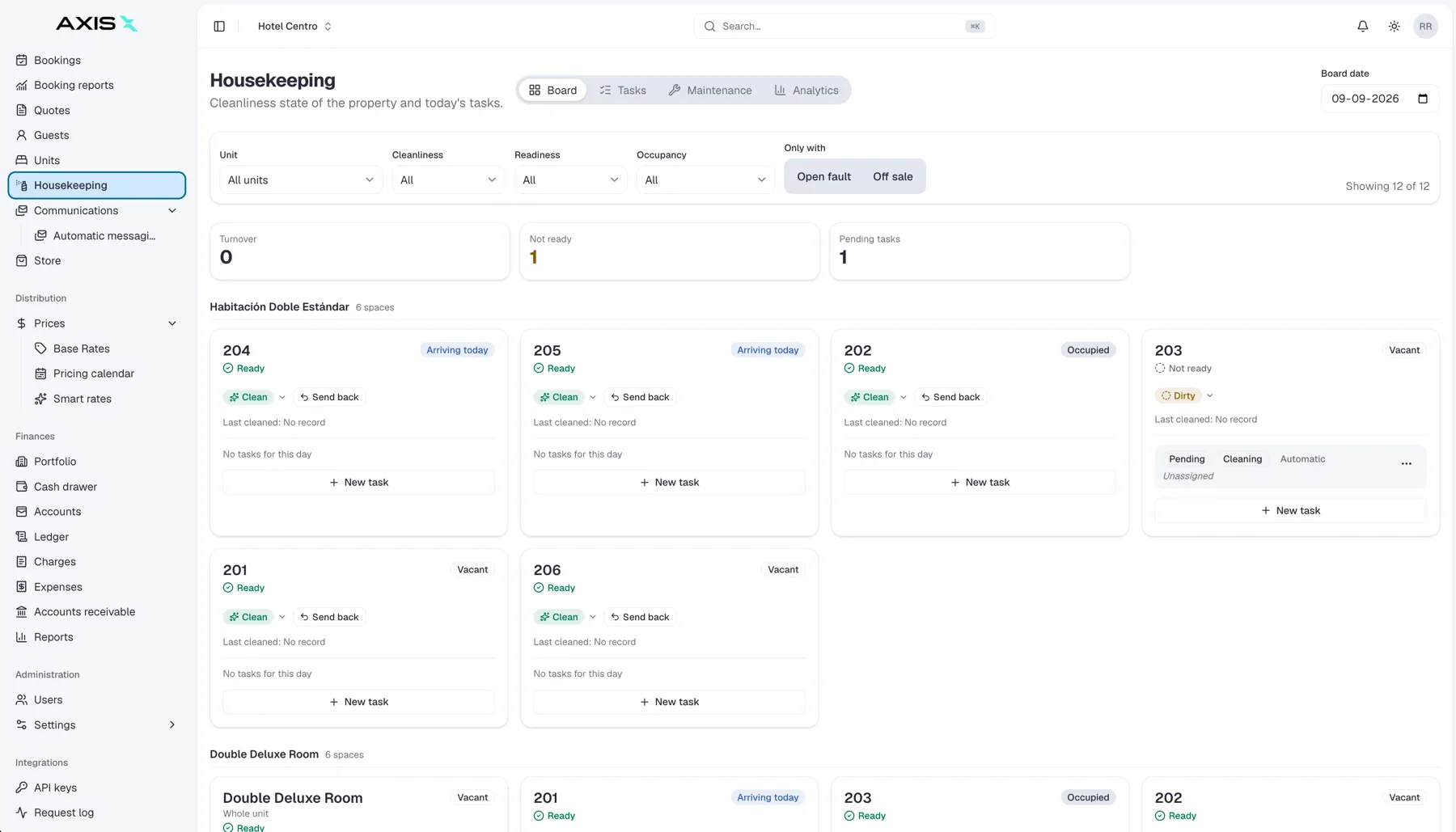
- Share the calendar with your cleaner so they see changes without a phone call.
- Use a checklist per property: linens, consumables, keys, appliances, photos of the finished room.
- Keep a small stock of spares (bulbs, batteries, sheets) at the property.
- Leave a buffer for same-day turnovers, and price late checkout or early check-in as extras instead of promising them for free.
When something breaks, log it against the property so the next cleaner and the owner both know.
Guest communication and owner reporting
Most guest messages are the same questions in a different order: how do I get in, what is the Wi-Fi, where do I park, when is checkout. Write those answers once and reuse them.
A simple sequence works well: a confirmation message, arrival instructions a day or two before check-in, a short check on the first evening, and a checkout reminder. Keep the tone friendly and specific. Answer quickly during the day, and set an expectation for night hours instead of pretending you are always awake.
When a problem comes up, acknowledge it first, fix it second, and explain what happened third. Guests forgive issues far more readily than silence.
Reporting to owners
If you manage properties for others, reporting is part of the product. Owners want to know occupancy, revenue, your fee, expenses and the net they receive, per month, per property. They also want to know about damage and maintenance before they find out from a guest review.
Send a short monthly statement with the same structure every time. Consistency builds trust faster than detail does.
When vacation rental management outgrows spreadsheets
Spreadsheets are fine at the start. The signs that you have outgrown them tend to appear together:
- You have blocked dates manually more than once this month and missed one.
- Cleaners are asking you for the schedule instead of reading it.
- An owner statement takes an afternoon to prepare.
- You are on three or more channels and prices drift between them.
At that stage, a central system that holds the calendar, the channel connections, guest messaging and owner reports in one place usually pays for itself in saved hours alone. Axis Pro is one example of that kind of system, but the principle matters more than the tool: one place where the truth lives.
Frequently asked questions
How many marketplaces should a small rental list on?
Start with two that you can keep fully up to date. Add a third once you have one calendar synchronizing them, because every extra channel multiplies the chance of a mismatch.
Should I price differently on each channel?
Keep base prices consistent. Marketplaces charge different commissions, so you can adjust markups to protect your net, but visible price gaps confuse guests and can hurt your ranking.
What should a monthly owner report include?
Occupancy, gross revenue, your management fee, expenses with receipts, and the net paid to the owner. Add a short note on maintenance and any guest issues.



 Direct
 Booking.com
 Airbnb
 Expedia