
Revenue
Upselling and cross-selling in hospitality, done right
Aug 13, 2026 · 5 min read
The hardest sale in hospitality is the first one: getting a guest to choose your property. Once they have, every additional sale is easier, because trust is already there. Upselling and cross-selling in hospitality is simply the practice of offering that guest something more valuable, at the right moment, in a way that helps them. Done well, it raises revenue per stay and improves the stay itself. Done badly, it feels like a car rental counter. This guide is about doing it well.
Upselling and cross-selling: what is the difference
Upselling means offering a better version of what the guest already bought: a larger room, a higher floor, a view, a suite. Cross-selling means offering something alongside the stay: breakfast, parking, a late check-out, an experience.
Both work on the same principle. The guest has a need or a wish they may not have acted on yet, and you are making it easy to say yes.
What to offer
The best offers are the ones you already have and can deliver every time without extra strain on the team.
Room upgrades
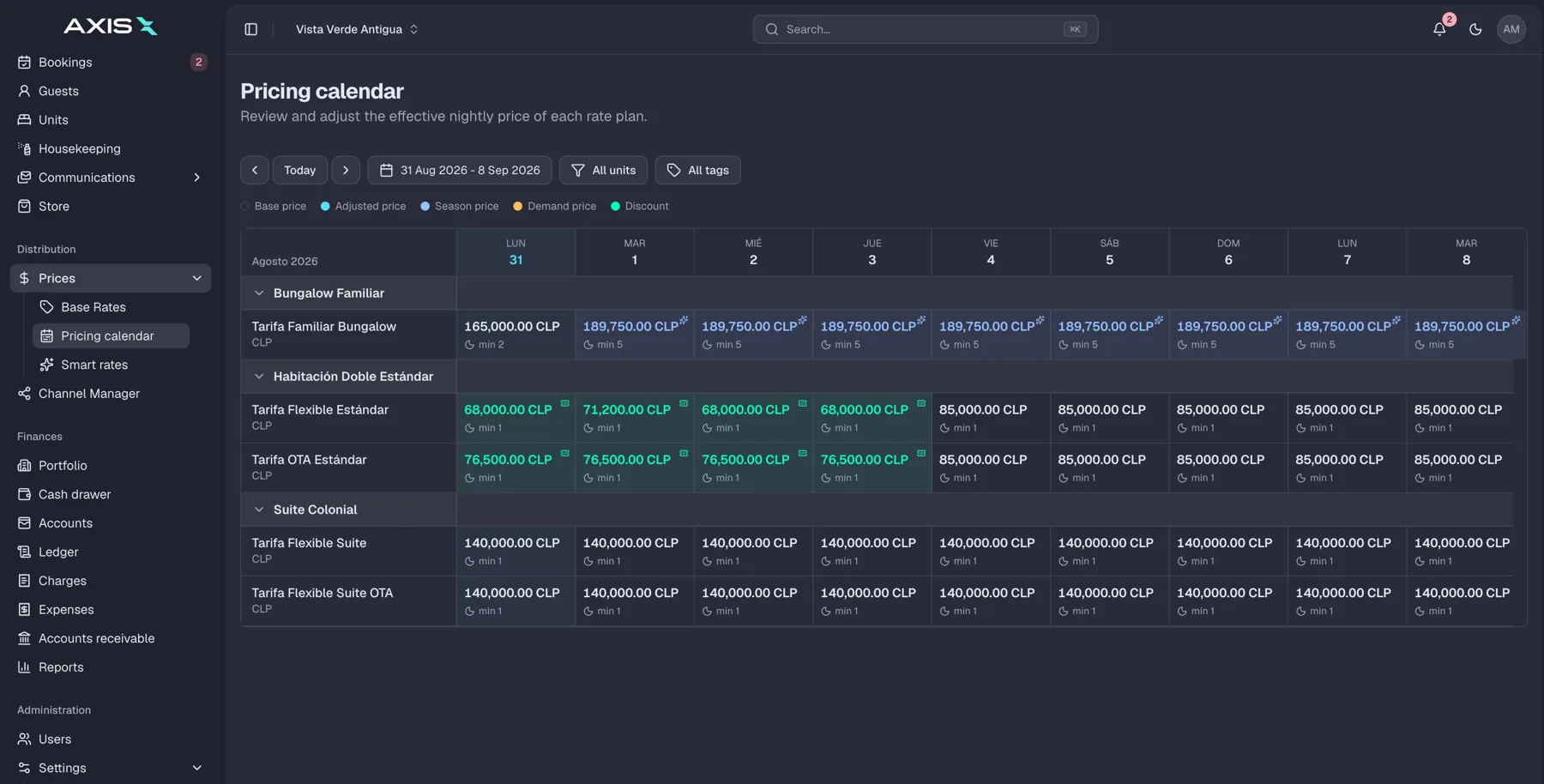
If a better room would otherwise sit empty, selling it at a modest premium is pure gain. Price the upgrade as the difference between the two rates, discounted, so it feels like a deal compared to booking the better room outright.
Early check-in and late check-out
These cost you almost nothing when housekeeping can accommodate them, and guests value them highly, especially on early flights and late departures. Sell them as fixed-price add-ons and only offer them on days when the calendar allows.
Breakfast and packages
Breakfast is the classic cross-sell. Bundles like "stay plus breakfast plus late check-out" often sell better than the items separately, because the guest makes one decision instead of three.
Parking, transfers and experiences
Parking in city locations, airport transfers, bike rentals, local tours, a bottle of wine in the room. Partner offers can be included too, as long as you can vouch for the partner. If your property runs bookable spaces such as meeting rooms or coworking desks, those belong on the list as well.
Timing: when to make the offer
The same offer performs very differently depending on when the guest sees it. There are four natural moments.
At booking
When the guest is choosing a room, show the upgrade and one or two add-ons. Keep it short. Too many options at this stage lower conversion on the room itself.
Before arrival
A few days before check-in, guests are thinking about the trip and are in a planning mood. A message offering an upgrade, an early check-in or a breakfast package typically performs well here, because plans are concrete and the guest is not yet distracted by the arrival itself.
At check-in
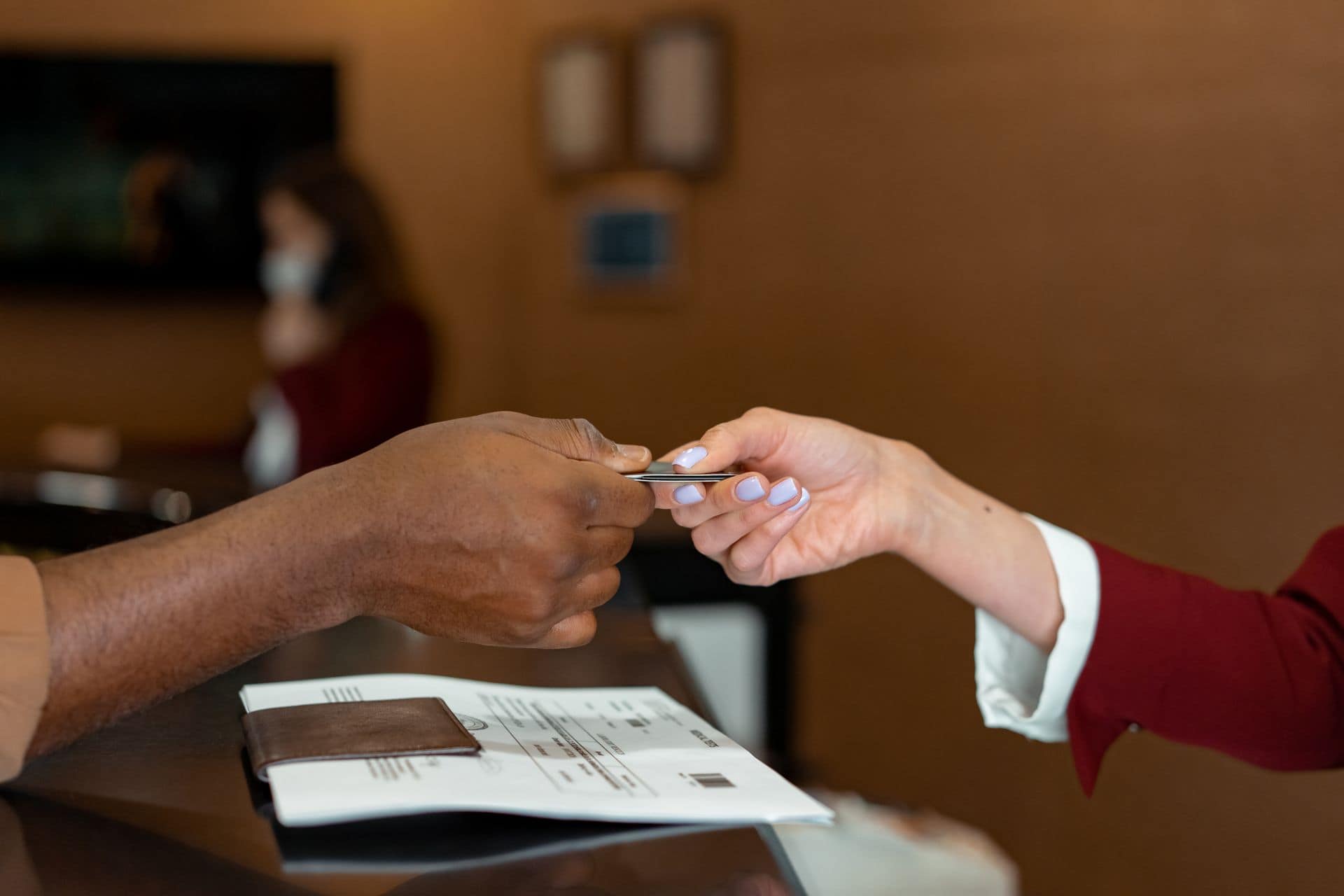
The front desk has a few seconds of full attention. One offer, delivered naturally, is enough. "We have a room with a balcony available tonight for 25 more, would you like it?" is a complete script.
During the stay
Late check-out, a second night, dinner reservations, a spa slot. In-stay offers work best when they are triggered by something: a guest asking about check-out time, a rainy day, a free evening on the calendar.
Scripts that do not feel pushy
The difference between helpful and pushy is almost entirely in the framing. A few principles:
- Offer, do not push. Say it once, clearly, and accept the answer.
- Lead with the benefit, not the price. "A quieter room facing the garden" before "for 20 more".
- Make it specific. "The suite on the top floor" beats "an upgrade".
- Tie it to the guest. A late flight, a birthday, a first visit to the city.
- Give a real reason it is available. "We had a cancellation" is honest and lowers resistance.
Train the team with two or three lines they are comfortable saying in their own words. Scripts that sound recited fail. Scripts that sound like a recommendation from someone who knows the property succeed.
Automation helps with consistency. Pre-arrival offers sent from your reservation system reach every guest, in every language, without depending on who is on shift.
Tracking attach rates
Attach rate is the share of stays that included a given add-on. Twenty upgrades on two hundred stays is a 10 percent attach rate for upgrades. It is the single most useful number for this work, because it tells you what is working and where.
Track attach rate by:
- Offer: upgrades, breakfast, late check-out, parking, each separately
- Moment: booking, pre-arrival, check-in, in-stay
- Team member: not to punish, but to find who has the script that works and spread it
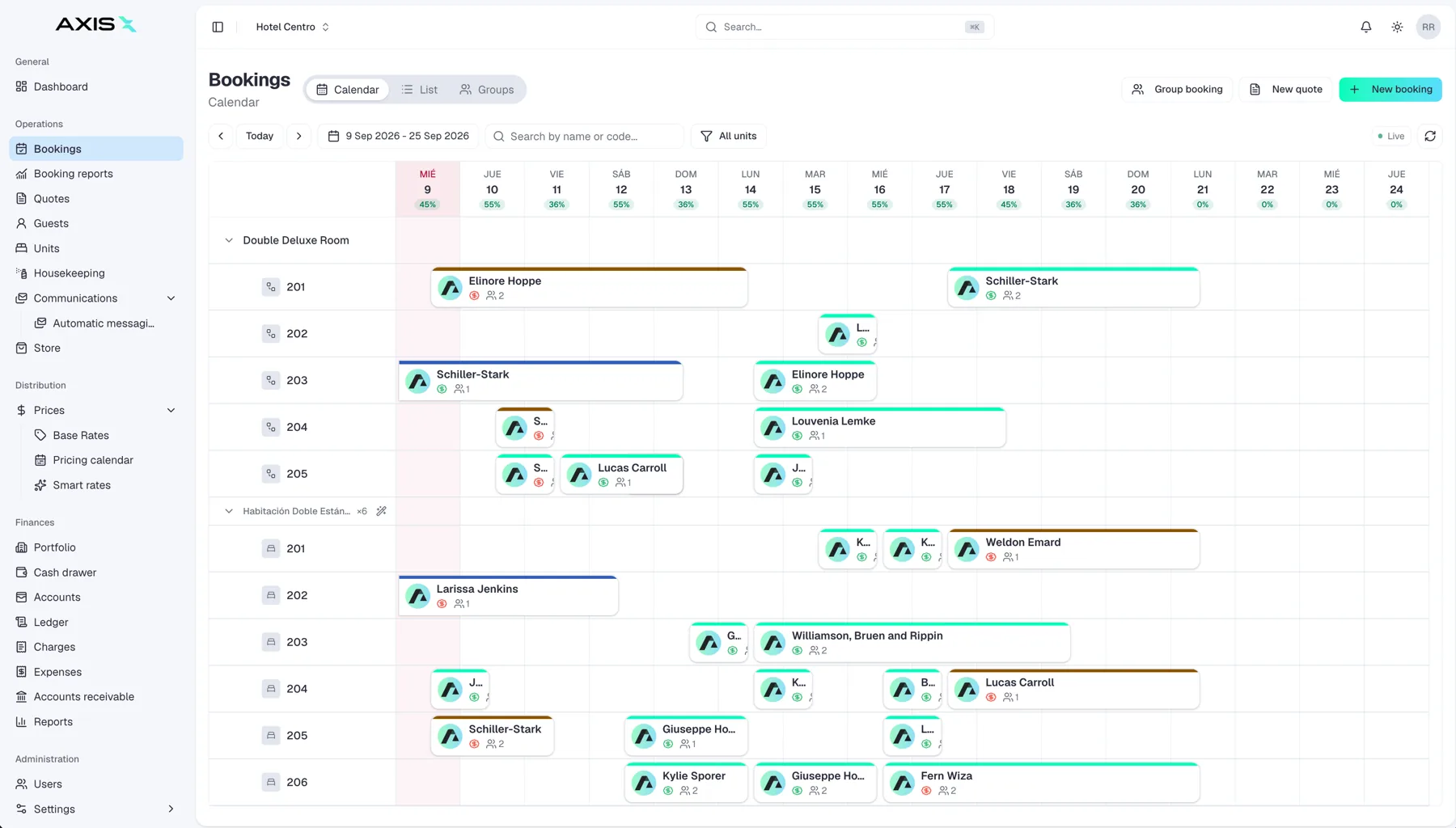
Review the numbers monthly. Drop offers nobody takes, raise the price of offers everybody takes, and move offers to the moment where they convert best. When add-ons are sold and recorded in the same central system as the reservation, this report takes minutes; when they live on paper or in a separate till, it rarely gets done.
Frequently asked questions
What is a good attach rate?
It depends heavily on the offer and the property, so compare against your own past months rather than an outside benchmark. A rising attach rate for the same offer, at the same price, is the signal you want.
Should the front desk get a commission on upsells?
Many properties do, and it works when the reward is modest and tied to guest satisfaction as well as sales. Rewards that are too high can turn helpful offers into pressure, which shows up in reviews.
Do upsells work for small rentals and hostels?
Yes, often better, because the offers are personal and the operator knows the guest. Late check-out, breakfast baskets, bike rentals and local experiences all sell well in small properties.


 Direct
 Booking.com
 Airbnb
 Expedia