
Revenue
Monetizing spaces: meeting rooms, parking and coworking
Jun 2, 2026 · 5 min read
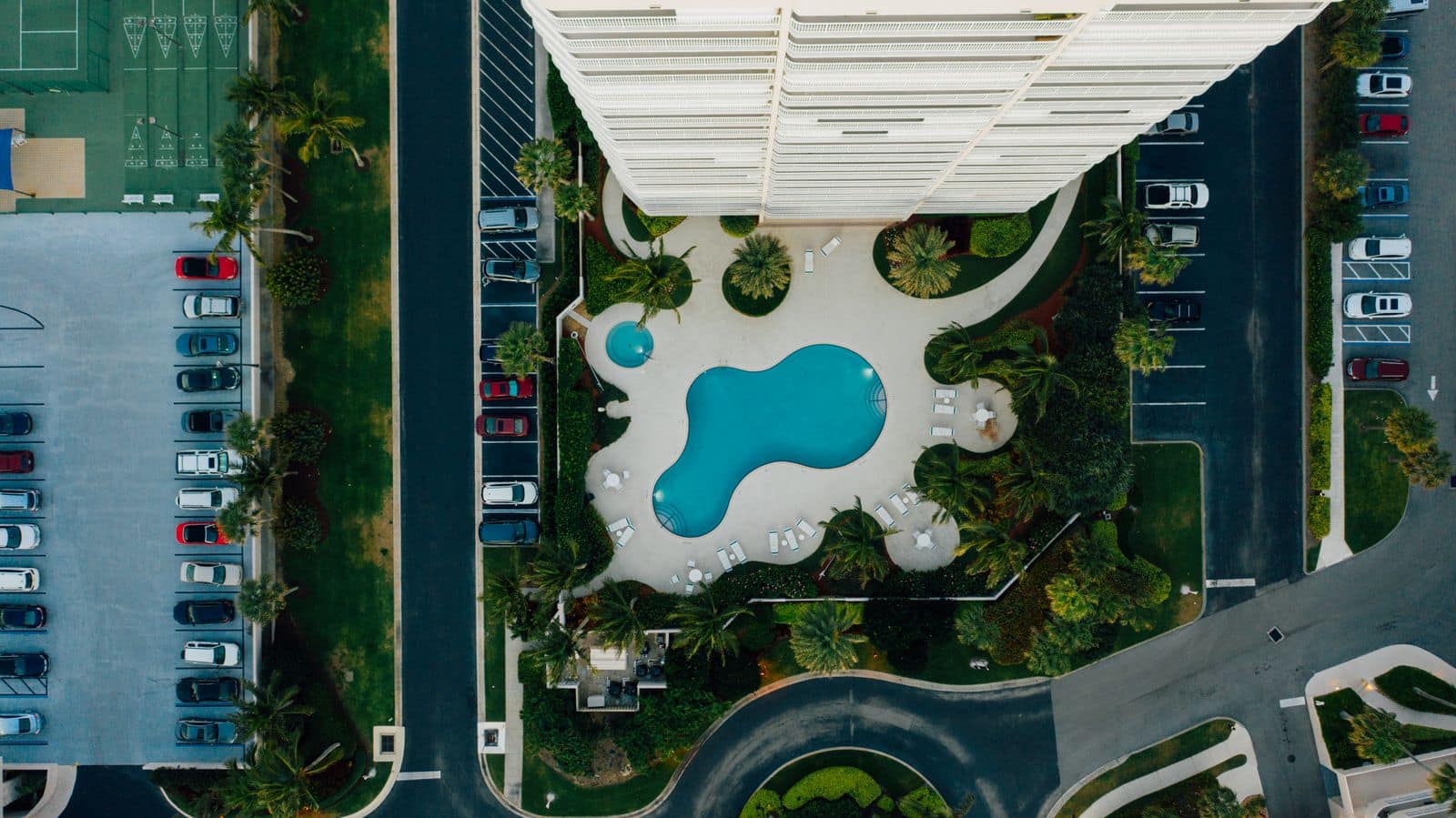
Every property has spaces that earn nothing most of the day: the meeting room used twice a month, the parking bays that empty at 9 am, the pool that is quiet on weekdays, the lobby corner where a laptop would fit nicely. Monetizing spaces beyond rooms is one of the simplest ways to add revenue without adding beds, and it works for hotels, hostels and rental buildings alike. This guide covers which spaces to sell, how to price them, who buys them, how to attach the sale to a stay and how to keep it from disrupting operations.
Spaces worth selling
Start with what you already have and what people already ask for at the desk.
- Meeting rooms and small event spaces, from a boardroom to a breakfast area after 11 am.
- Parking, by the hour for visitors and by the day or night for guests and locals.
- Coworking desks and quiet corners for remote workers, both staying guests and neighbors.
- Pool day passes for non-guests, especially in cities and in low season.
- Spa, sauna and gym slots, sold by time block.
- Bike storage, e-bike charging and luggage storage.
- Rooftops, gardens and terraces for private gatherings.
The best candidates are spaces that are already staffed and cleaned as part of normal operations. You are selling access, not building a new department.
Pricing by minute, hour or day
Each space has a natural unit of time, and choosing the wrong one makes it hard to sell.
- By the minute suits parking and charging: guests pay for what they use, and the price can be shown per hour while charged in smaller increments.
- By the hour suits meeting rooms, sauna slots and coworking for visitors.
- By the day suits day passes, coworking for locals and parking for staying guests.
- By the slot suits anything with a fixed capacity, such as a spa with two rooms or a gym with a limit on people at once.
Simple pricing rules
- Set a minimum booking length so that a 15-minute meeting does not block the room for an hour of cleaning.
- Offer a lower rate to staying guests than to walk-ins; it feels like a perk and it fills quiet hours.
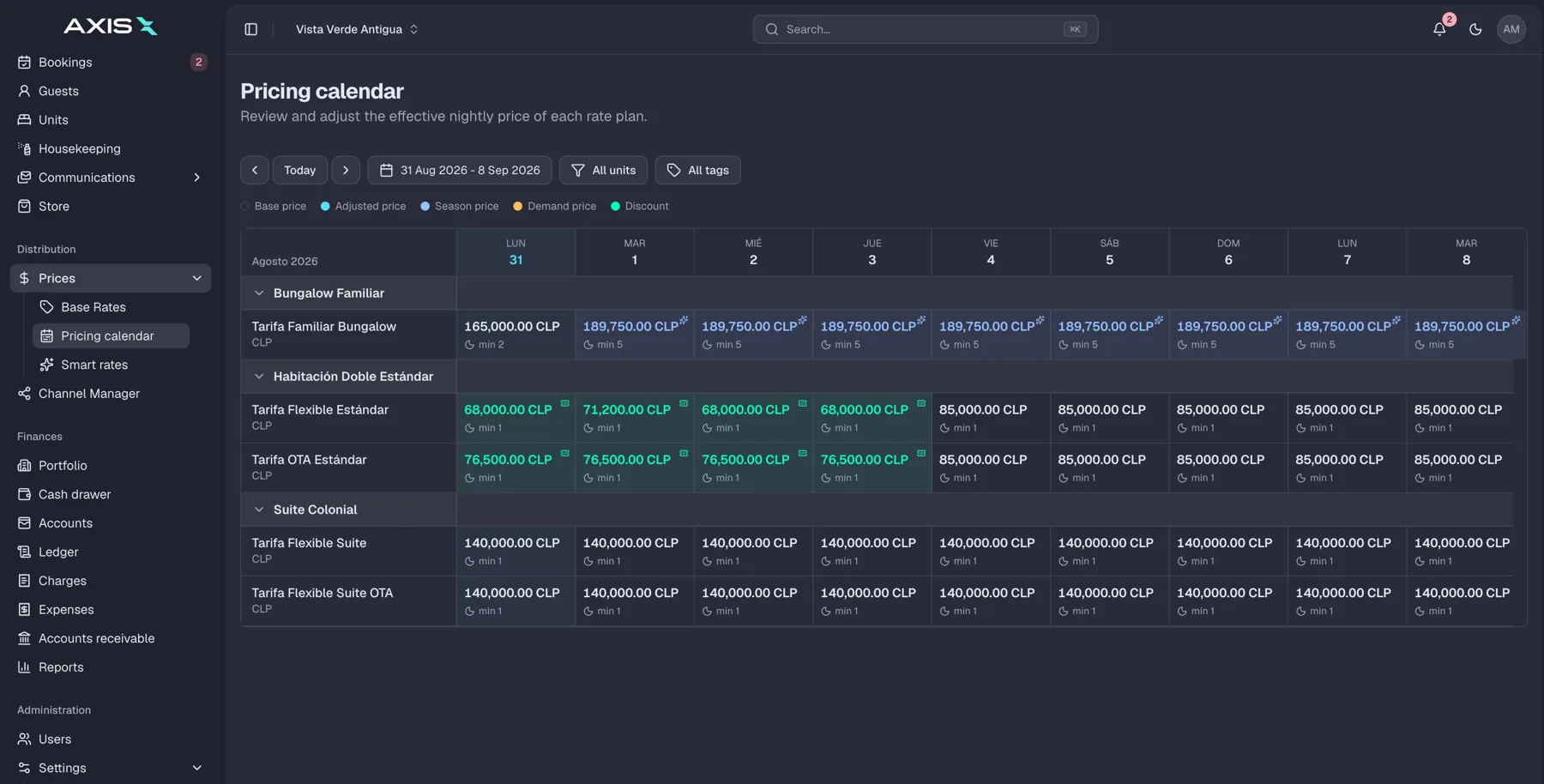
- Price weekdays and weekends differently when demand differs, which it usually does for pools and rooftops.
- Round to numbers that are easy to say at the desk.
Who books these spaces
Two audiences, and they behave differently.
Staying guests book on impulse, close to the moment: a desk for the afternoon, a parking spot on arrival, a sauna slot after dinner. They expect it to be on their bill and they expect to book it in the same place they manage their stay.
Locals plan ahead and compare. A neighbor who books a meeting room for Thursday wants a confirmation, a receipt and clear directions. Regulars will want a monthly pass. This audience is also your future guest, because someone who works from your lobby every week recommends the rooms.
Sell to both, but design the booking flow for the local first, since the guest flow is usually simpler.
Attaching space sales to a stay
Selling a space is easy. Getting paid for it cleanly is where many properties lose money.
- When a guest books a space, charge it to the reservation folio so the checkout bill is one bill.
- When a local books, take payment or a card hold at booking time, not on arrival.
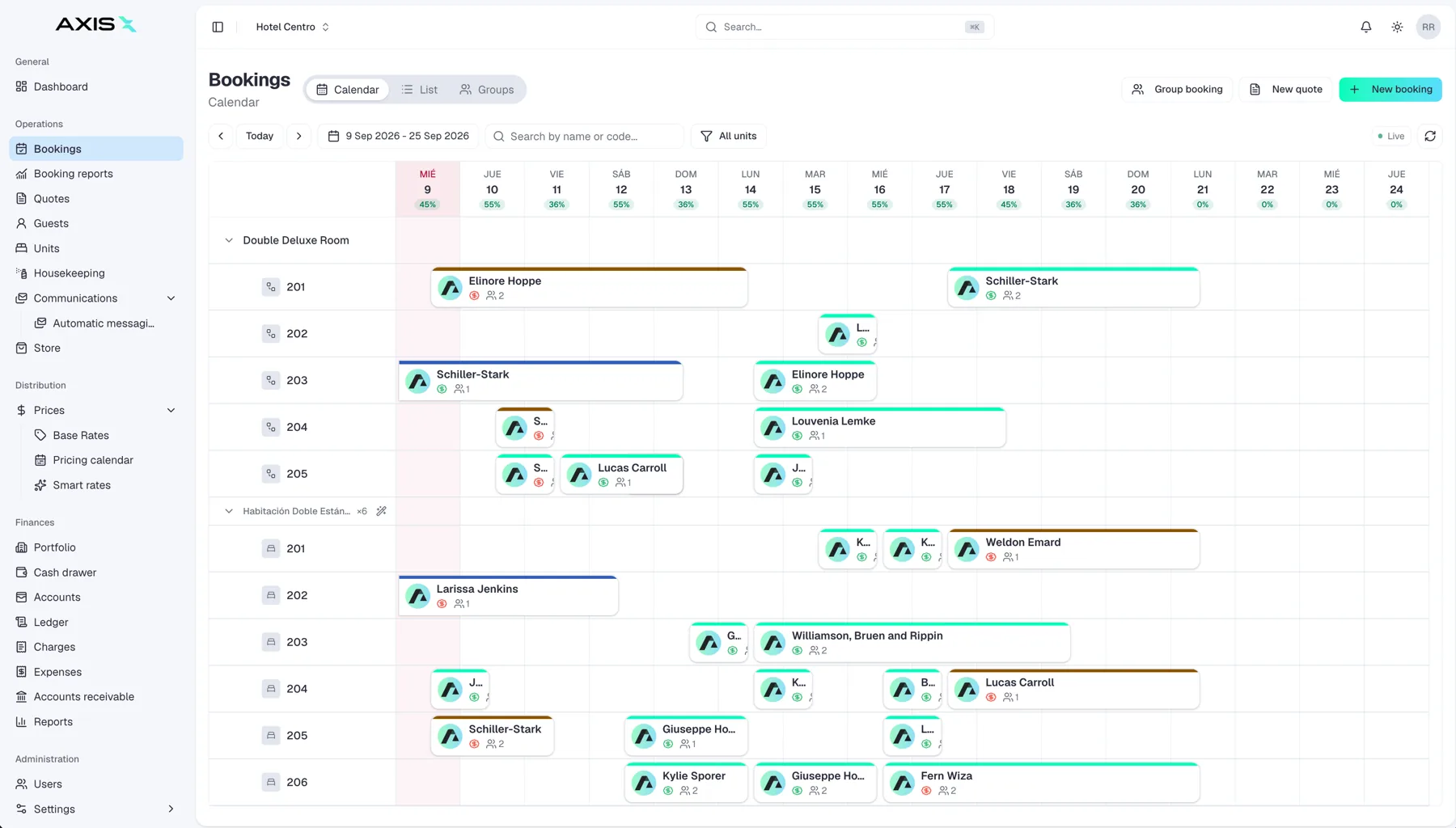
- Keep one record of who booked what and when, connected to the room calendar, so front desk and housekeeping see the same picture.
- Send the same kind of confirmation for a space as for a room: date, time, location, what is included, how to cancel.
A central system that treats spaces as bookable inventory alongside rooms makes this straightforward; a separate spreadsheet for the meeting room and another for parking usually means missed charges.
Monetizing spaces without disrupting operations
The fear is legitimate: a rooftop party disturbing guests, a coworking crowd taking over breakfast, a spa booked when housekeeping needs it. Simple rules prevent almost all of it.
- Set opening hours per space that avoid your peak operational moments, such as breakfast and turnover time.
- Add buffers between bookings for cleaning and reset, and make them invisible to the buyer.
- Cap capacity per slot and enforce it in the booking flow, not at the door.
- Reserve a share of the inventory for staying guests, so parking is never sold out when a guest arrives.
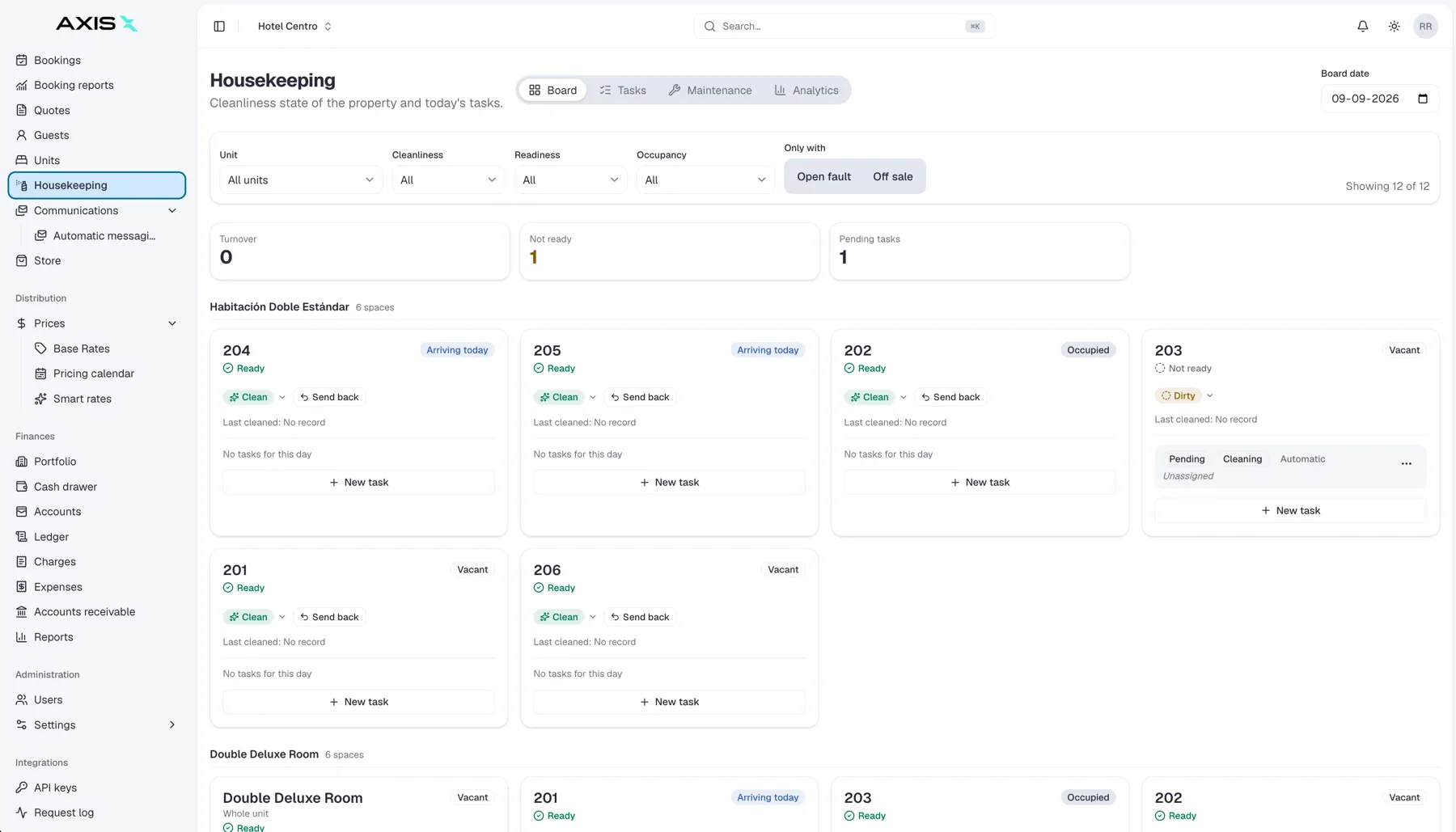
- Give staff one screen that shows rooms and spaces together, so nobody is surprised by a booking they did not see.
- Define who can override a booking and how the customer is compensated when you must.
Review the calendar weekly for the first months. You will find slots that never sell and slots that always do, and both are pricing information.
Frequently asked questions
Which space should I start with?
The one people already ask for at the desk. For many city properties that is parking or a meeting room; for leisure properties it is often pool day passes or spa slots.
Should non-guests be allowed to book?
Usually yes, with hours and capacity limits that protect staying guests. Locals fill quiet weekdays and become a source of direct room bookings later.
How do I avoid double-selling a space?
Treat it as inventory on the same calendar as your rooms, with one booking record per slot and buffers built in. Separate spreadsheets per space are how conflicts start.


 Direct
 Booking.com
 Airbnb
 Expedia