
Revenue
Length of stay and minimum stay strategy for small hotels
Aug 6, 2026 · 5 min read

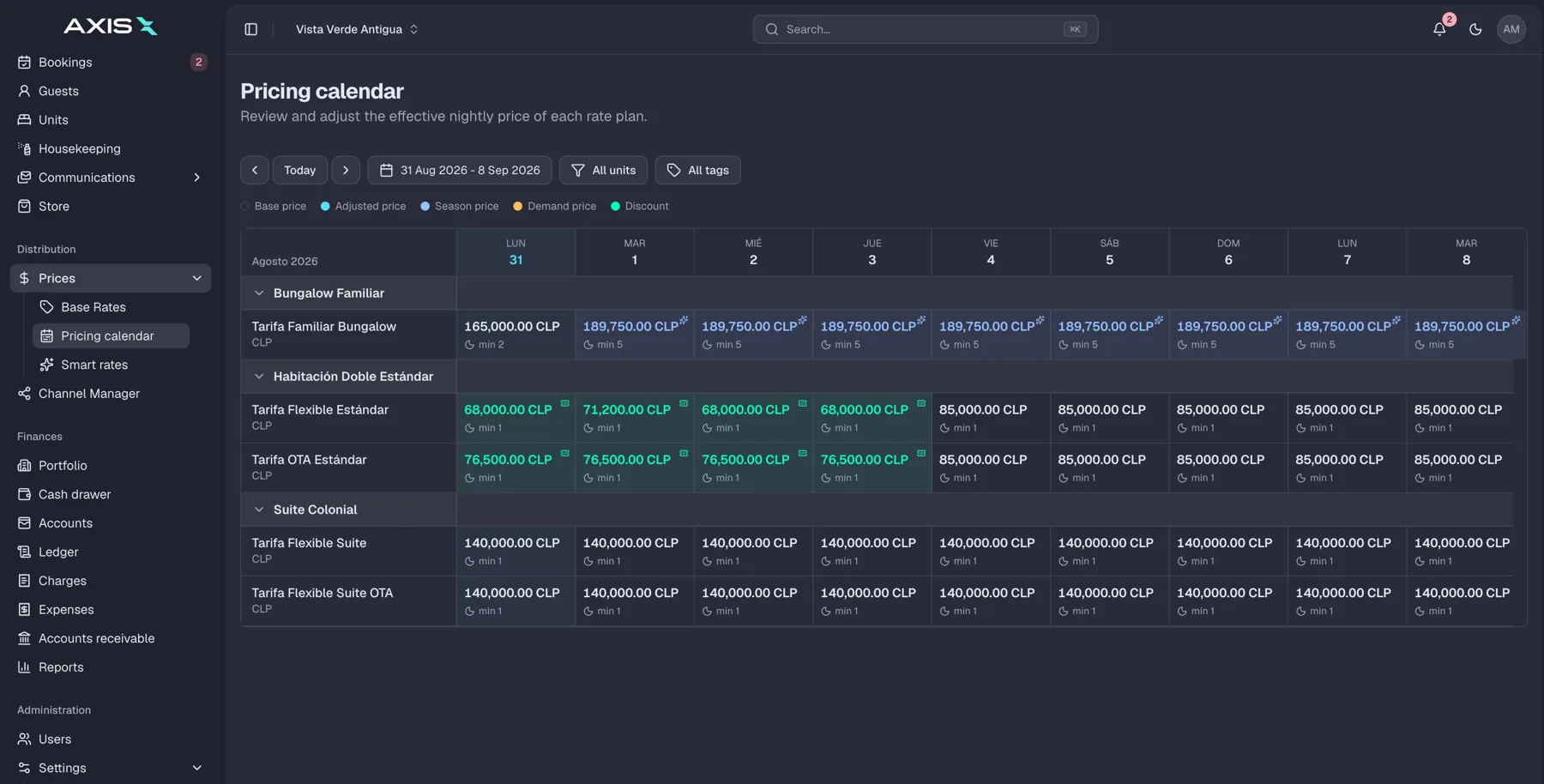
Minimum stay rules are one of the few revenue tools that work while you sleep. Set a three-night minimum on a holiday weekend and the calendar fills with longer, cheaper-to-service bookings on its own. Set the same rule on the wrong dates and it silently turns away guests who would have paid full rate. A good length of stay and minimum stay strategy is about knowing which is which, and checking often enough to catch the difference.
What a minimum stay rule does
A minimum stay tells your channels not to accept bookings shorter than a certain number of nights for a given arrival date or stay-through period. A maximum stay does the opposite. Together with rate changes by length of stay, these rules shape not just how many rooms you sell, but how they fit together on the calendar.
Longer stays are generally more profitable than shorter ones at the same nightly rate. Each stay costs you a cleaning, a check-in, a check-out, a set of towels and a share of the commission. A guest who stays four nights generates one of each; four one-night guests generate four.
When minimum stays protect revenue
Peak dates
On a festival weekend where demand comfortably exceeds supply, a two or three-night minimum prevents a single-night booking on Saturday from splitting your week into unsellable pieces. The guests who wanted Saturday only are replaced by guests who take Friday to Sunday.
High-cost turnovers
If cleaning and check-in are a large share of your cost per stay, which is typical for rentals and cabins, a two-night minimum throughout the year can be reasonable. One-night stays may simply not be profitable.
Shoulder nights around events
A rule that requires a stay to include a lower-demand night alongside a peak one, for example a Sunday with a Saturday, spreads demand into nights that would otherwise sit empty.
When minimum stays block revenue
Low-demand periods
A three-night minimum in the middle of a quiet October blocks the one-night business traveler who would have paid full rate. On dates where you are not going to sell out anyway, restrictions rarely help.
Rules that never get reviewed
The most common problem is not a bad rule but a stale one. A minimum set for last year's high season stays in place because nobody remembered to remove it. Every restriction should have an owner and an expiry.
Orphan nights
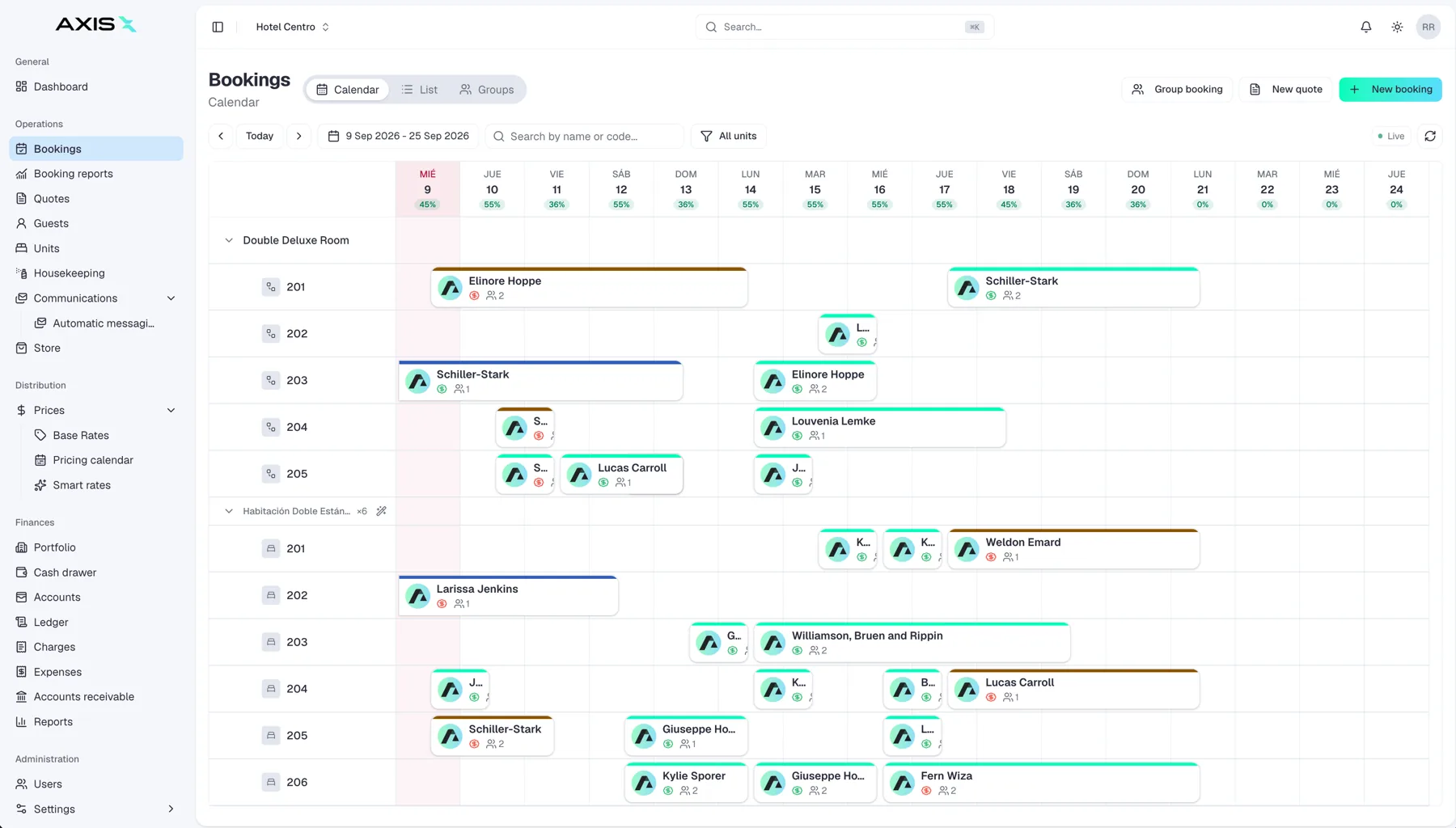
An orphan night is a single available night trapped between two bookings. With a two-night minimum, nobody can book it, so it goes unsold for certain. Orphan nights are the direct, visible cost of minimum stay rules, and a calendar full of them is a sign the rules are too strict.
Filling the gaps
Gap-filling discounts
Most channel managers can relax a minimum stay automatically when a gap opens. If a two-night gap appears between bookings, allow two-night stays even where the rule says three. For single orphan nights, allow one-night bookings and consider a small discount to move them. A 100 dollar room sold at 85 dollars is far better than a 100 dollar room that stays empty.
Extended-stay rates
The mirror image of the minimum stay is rewarding longer stays. A rate that drops 10 percent from the fifth night, or a weekly rate that is priced as six nights for seven, attracts guests who would otherwise book a few nights and leave. These work especially well in rentals, aparthotels and properties near hospitals, universities or project sites.
Rates by length of stay
Instead of a hard minimum, you can price short stays higher. A one-night rate that is 20 percent above the two-night rate keeps the room available for the guest who really needs it while making longer stays the better deal. It keeps revenue that a hard block would have refused.
Seasonal rules and a monthly review
Restrictions should follow your demand calendar, not stay fixed all year. A workable pattern for a small property:
- Peak season and event weekends: two or three-night minimum, gap-filling enabled
- Shoulder season: two-night minimum on weekends only, one night allowed midweek
- Low season: no minimum, extended-stay discounts switched on
- Year-round: automatic relaxation for orphan nights
Then review it once a month. The review takes fifteen minutes:
- Open the next 90 days and look for orphan nights and gaps
- Check the pickup on each date that has a restriction; if it is behind pace, loosen it
- Check the dates that sold out; if a restriction is missing on a peak date, add it
- Compare average length of stay against the same month last year
- Confirm every active restriction still has a reason to exist
Keeping the rules in one place, with your rates and availability, matters more than it seems. If a restriction lives on one channel but not another, you get the worst of both worlds: fewer bookings on one side and a fragmented calendar on the other.
Frequently asked questions
Should I apply the same minimum stay on every channel?
Yes, unless you have a specific reason not to. Different rules on different channels create orphan nights on one and blocked demand on another, and it makes your reports hard to read. A central system that pushes the same restriction everywhere avoids this.
How long should a minimum stay be?
Long enough to prevent fragmentation on the dates that matter, and no longer. Two nights is the most common choice for weekends and events; three or more only for peak periods where you are confident of selling out.
What is a healthy average length of stay?
It depends on your market and property type, so measure your own and watch the trend. If your average length of stay rises while occupancy stays stable, your rules are working; if occupancy falls, the rules may be too tight.



 Direct
 Booking.com
 Airbnb
 Expedia