
AI
What an AI employee actually does in a hotel
Jun 23, 2026 · 6 min read

Every hospitality tool now claims to be AI-powered. Most of it is autocomplete with a nicer name: it drafts a reply, suggests a rate, summarizes a review. Useful, but it is not the same as work getting done. The useful question about an AI employee in a hotel is different: can it own a job, the way a person on your team owns a job?
This article describes what that ownership looks like, the three jobs that already fit the shape in hotels, vacation rentals and hostels, the handover rules that keep the AI safe, and the condition that decides whether it works.
What makes an AI employee different from a feature
A feature waits for you to click it. An employee has a scope, a schedule and a handover rule. It does the work end to end, it keeps going when you are not looking, and it knows when to stop and ask a human.
Those three properties are the test. When you evaluate any AI in your operation, ask:
- Scope: which tasks does it own completely, and which does it never touch?
- Schedule: does it act on its own, at the right moment, or only when prompted?
- Handover: what triggers an escalation, and what context arrives with it?
If a vendor cannot answer all three plainly, you are looking at a feature.
Three jobs an AI employee in a hotel can own today
Not every task is ready to be handed over. These three are, because they are repetitive, rule-based most of the time, and easy to define the exceptions for.
The concierge
Guests ask the same forty questions in every language, at every hour: check-in time, parking, the wifi password, whether the pool is heated, how to get from the airport. An AI concierge answers instantly, in the guest's language, using your property's real information rather than a generic script.
What it owns: pre-arrival questions, in-stay requests that need no judgment, directions and local recommendations you have approved.
Handover rule: anything involving money, complaints, health or safety, or a decision that needs judgment goes to your team, with the full conversation attached so nobody asks the guest to repeat themselves.
The collector
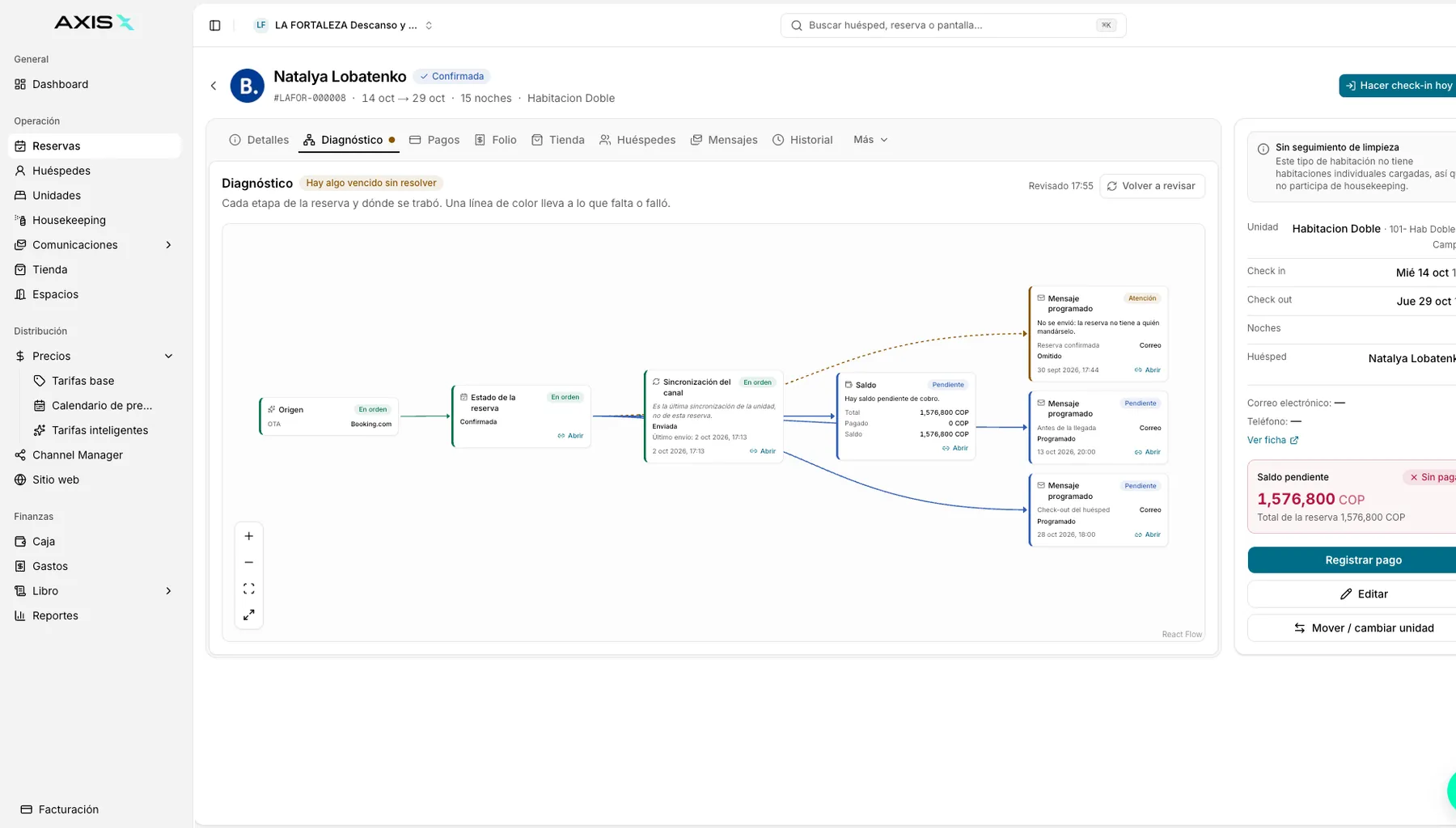
Pending deposits, failed cards, unpaid balances, expired virtual cards from a channel. A human chases these reluctantly and inconsistently, usually at the end of a long shift. An AI collector watches every payment schedule, sends the reminder at the right moment, retries a failed charge at sensible intervals, and reports only what actually needs a person.
What it owns: reminders, retries, receipts, and a daily list of what is still open.
Handover rule: disputes, refund requests and any guest who replies with a question go to a human. The collector never argues and never improvises a discount.
The revenue analyst
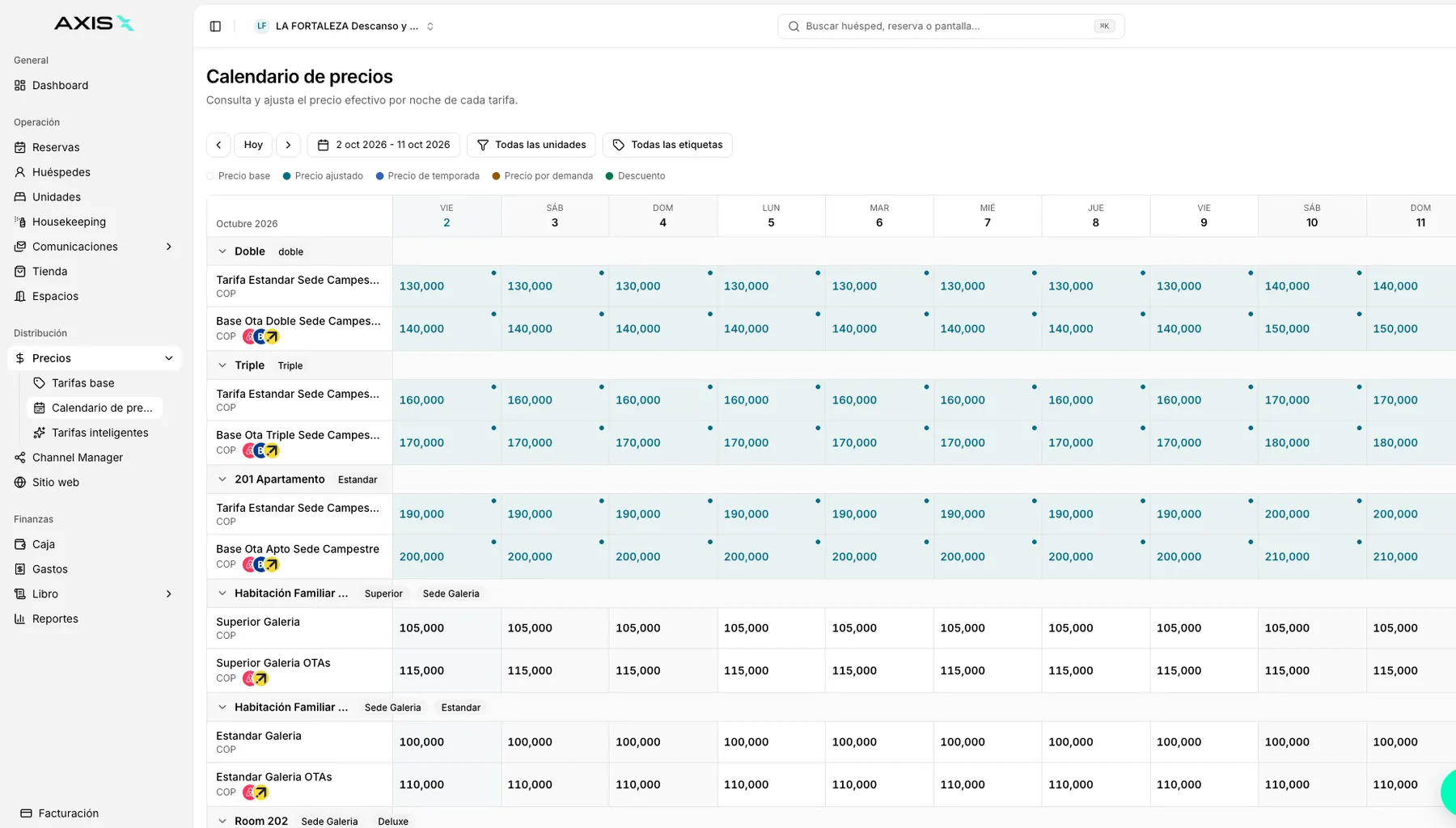
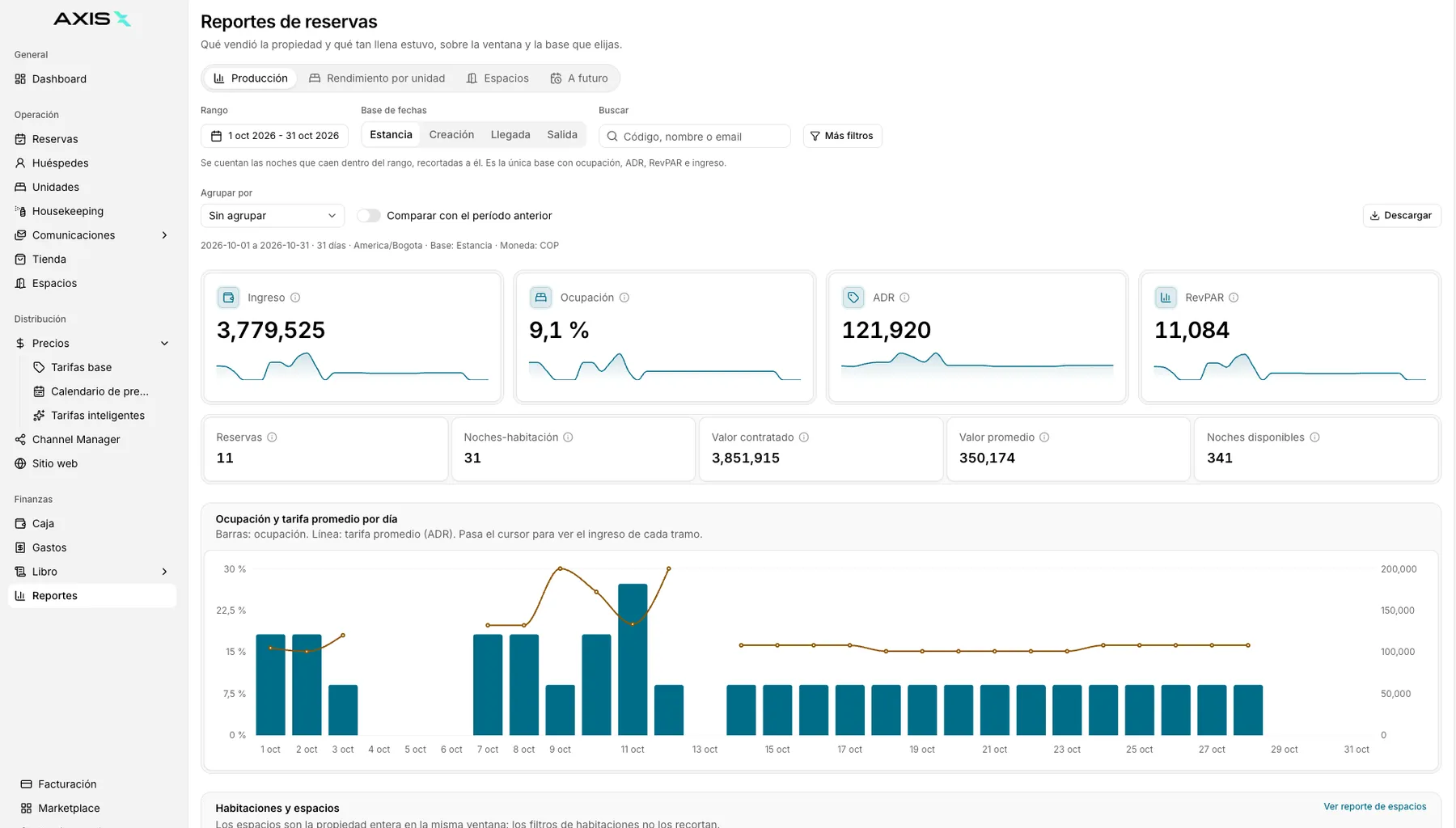
Rates should move with demand, but most small operations touch prices twice a season because nobody has time to do it more often. An AI analyst monitors occupancy on the books, pickup pace, local events and the general market, then proposes changes or applies them within limits you set, across every channel at once.
What it owns: daily rate suggestions, restriction changes inside your rules, and a short explanation of why each change was made.
Handover rule: anything outside your floor and ceiling, any change for a date with a group or a contract, and any decision during an unusual event waits for your approval.
Jobs that are not ready yet
An AI employee should not own:
- Complaint resolution, because the guest wants to be heard by a person and the right compensation is a judgment call.
- Hiring, scheduling conflicts and anything involving staff wellbeing.
- Final decisions on refunds, chargebacks or contract terms.
These can be assisted, drafted and prepared by AI. They should still be signed by a human.
Why the system matters more than the model
An AI employee is only as good as what it can see and touch. A concierge that cannot read the reservation does not know when the guest arrives. An analyst that cannot push rates to every channel is a spreadsheet with opinions.
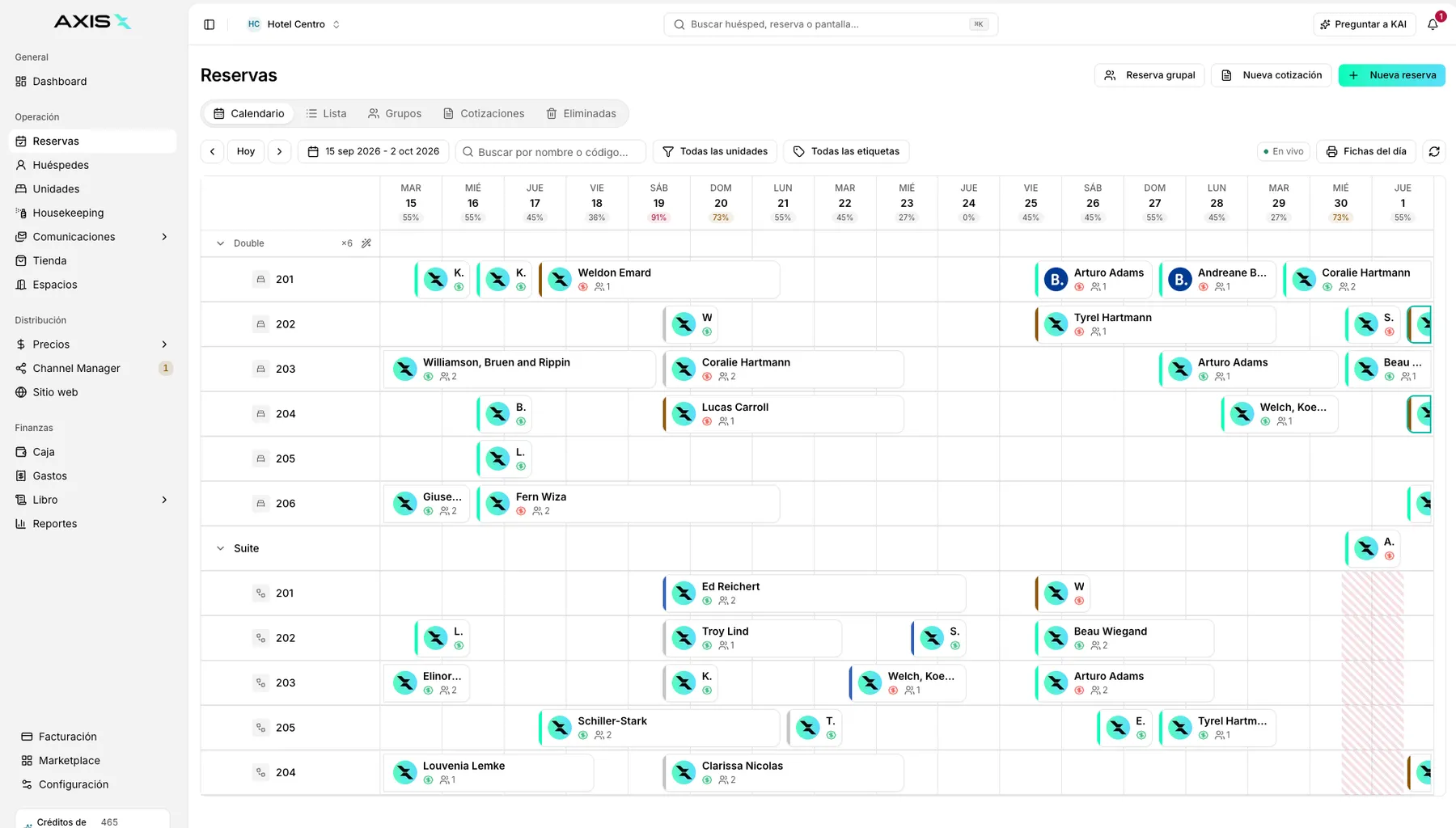
This is why the software underneath decides the outcome. If reservations, guest messages, payments and rates live in one central system, the AI works with complete information and its actions land everywhere at once. Bolted onto a fragmented stack of separate tools, the same AI is blind in some places and slow in others, and your team ends up double-checking it, which cancels the benefit.
Before you hire the employee, check whether your systems give it a desk to sit at:
- Can it read every reservation, regardless of channel?
- Can it read and send guest messages on the channels guests actually use?
- Can it see payment status and trigger a charge or a reminder?
- Can it change a rate once and have it apply everywhere?
Four yes answers and an AI employee can do real work. Two or fewer and it will mostly generate drafts for you to copy and paste.
How to introduce an AI employee without scaring the team
Start with one job, not three. The concierge is usually the easiest, because the questions are predictable and the risk is low. Run it in a suggestion mode for a couple of weeks, where it drafts and a person sends, and read the drafts. Then let it send on its own for the simplest questions, keeping the handover rule tight.
Tell the team what the AI owns and what stays with them. People worry less about being replaced when they can see the boundary, and they notice the relief when the forty repeated questions stop landing in their inbox.
Review the handovers weekly. If a category keeps escalating, either the rule is too cautious or the AI needs better information about your property.
Frequently asked questions
Does an AI employee replace front desk staff?
Not in practice. It removes the repetitive part of the job, which is usually the part people like least, and leaves the moments that need warmth and judgment to your team. Most properties keep the same people and give them better work.
What information does the AI need about my property?
The same things you would tell a new hire on day one: check-in rules, amenities, parking, house rules, local tips, and your policies on payments and cancellations. Write them once, keep them current, and the concierge answers from that source rather than guessing.
How do I know the AI is not making things up?
Restrict it to your own information, set a clear handover rule for anything it does not know, and read a sample of its conversations every week. An AI that says "let me check with the team" on an unknown question is doing its job correctly.



 Direct
 Booking.com
 Airbnb
 Expedia