
Guest experience
Loyalty for independent hotels: what works without points
Aug 11, 2026 · 6 min read

Ask most owners of a small hotel, a handful of rentals or a hostel whether they have a loyalty program and you get the same answer: "we should, but points feel like too much." That instinct is right. Loyalty for independent hotels and small groups rarely looks like a points scheme. It looks like being remembered, getting a slightly better deal for booking direct, and being treated like a regular from the second visit on. This article covers why points programs rarely fit small properties, what works instead, how to build a guest profile you will actually use, and how to measure whether any of it is working.
Why points programs rarely fit independent hotels
Points work for large chains because they have hundreds of properties, frequent business travellers, and a finance team to manage the liability. Small properties have none of that.
- Guests do not visit often enough to accumulate anything meaningful, so the points feel worthless
- Every unredeemed point is a promise sitting on your books, and someone has to track it
- Running the program takes software, rules, terms and constant explaining
- The value is abstract, while what your guests actually want is concrete: a better room, a later check-out, a warm welcome
There is also a positioning problem. A points program invites comparison with the chains, and that is a comparison you will lose. Your advantage is the opposite: you are small enough to know people.
What works instead
The loyalty tools that fit small properties are cheap to run and hard for big brands to copy. Most of them come down to recognition, a fair reason to book direct, and a few perks that cost you little.
Recognition
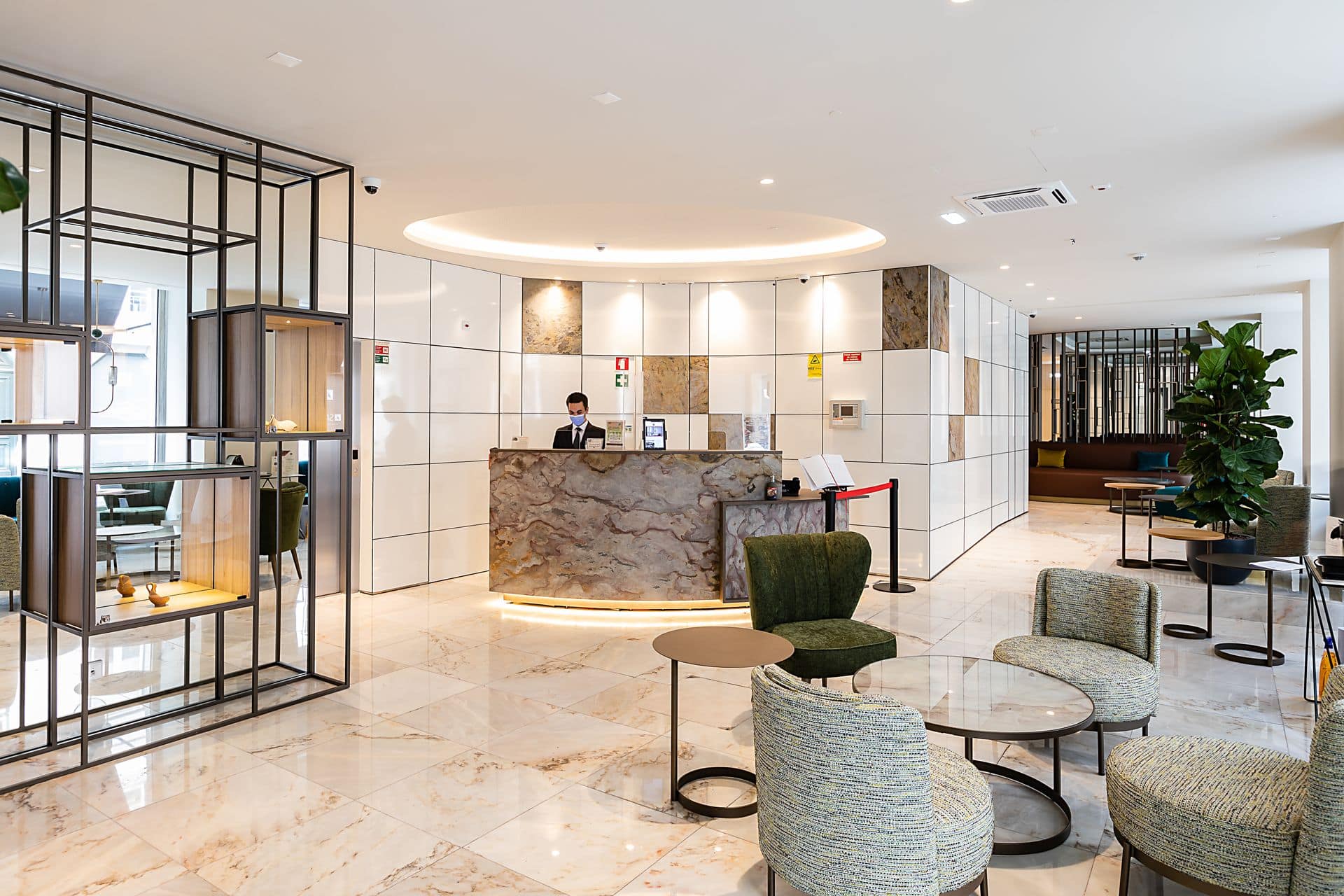
Being greeted by name, with a "welcome back," is worth more to most guests than any reward. It only works if the person at the desk, or the message that goes out before arrival, knows this is a returning guest. That is a data problem before it is a hospitality problem, which is why the guest profile section below matters.
Member rates on direct bookings
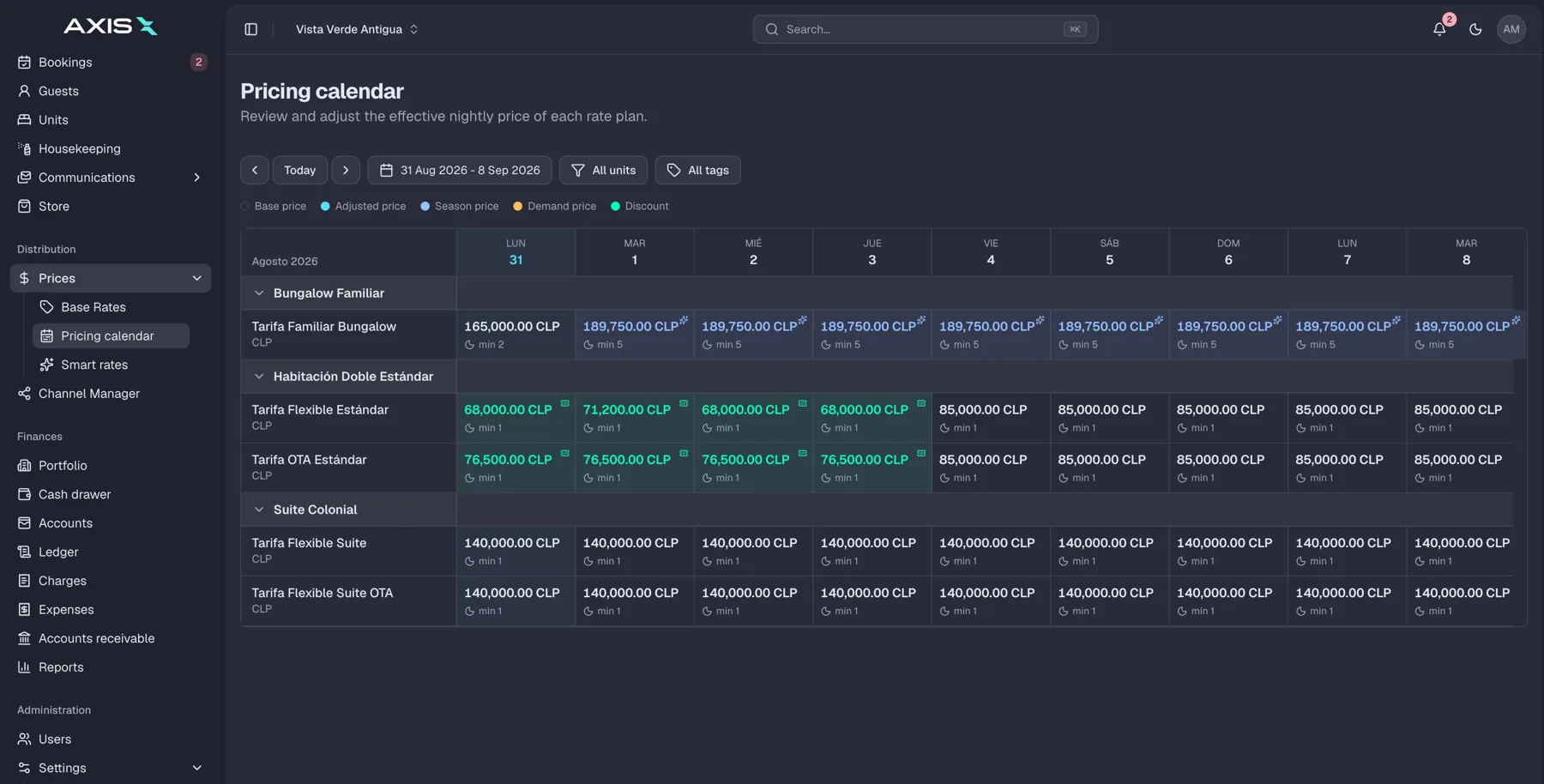
Give returning guests, and anyone who books through your own website, a rate or a package that is a little better than what they see on the OTAs. Keep it simple: a small percentage off, breakfast included, or a free upgrade when available. You save commission, the guest saves money, and the relationship moves onto your own channel. Make sure the offer reaches past guests: a short email or WhatsApp message when it is time to plan their next trip does the job.
Perks that cost little and mean a lot
- Early check-in or late check-out when the calendar allows
- The same room, or the room type they liked last time
- A welcome note, a local treat, a drink on the house
- Priority on a waitlist during busy periods
- A direct contact for future bookings, skipping the forms
None of these need a membership card. They need someone to know the guest is coming back.
Remembering preferences
The strongest loyalty signal is a request that never had to be repeated. High floor, extra pillow, quiet room, allergy, late arriver. Note it the first time, act on it the second time, and the guest will tell people about you.
Building a guest profile you actually use
Most properties already collect the raw material for loyalty and then lose it, scattered between OTA extranets, a booking engine, a spreadsheet and a few memories. A usable guest profile solves that with a few rules.
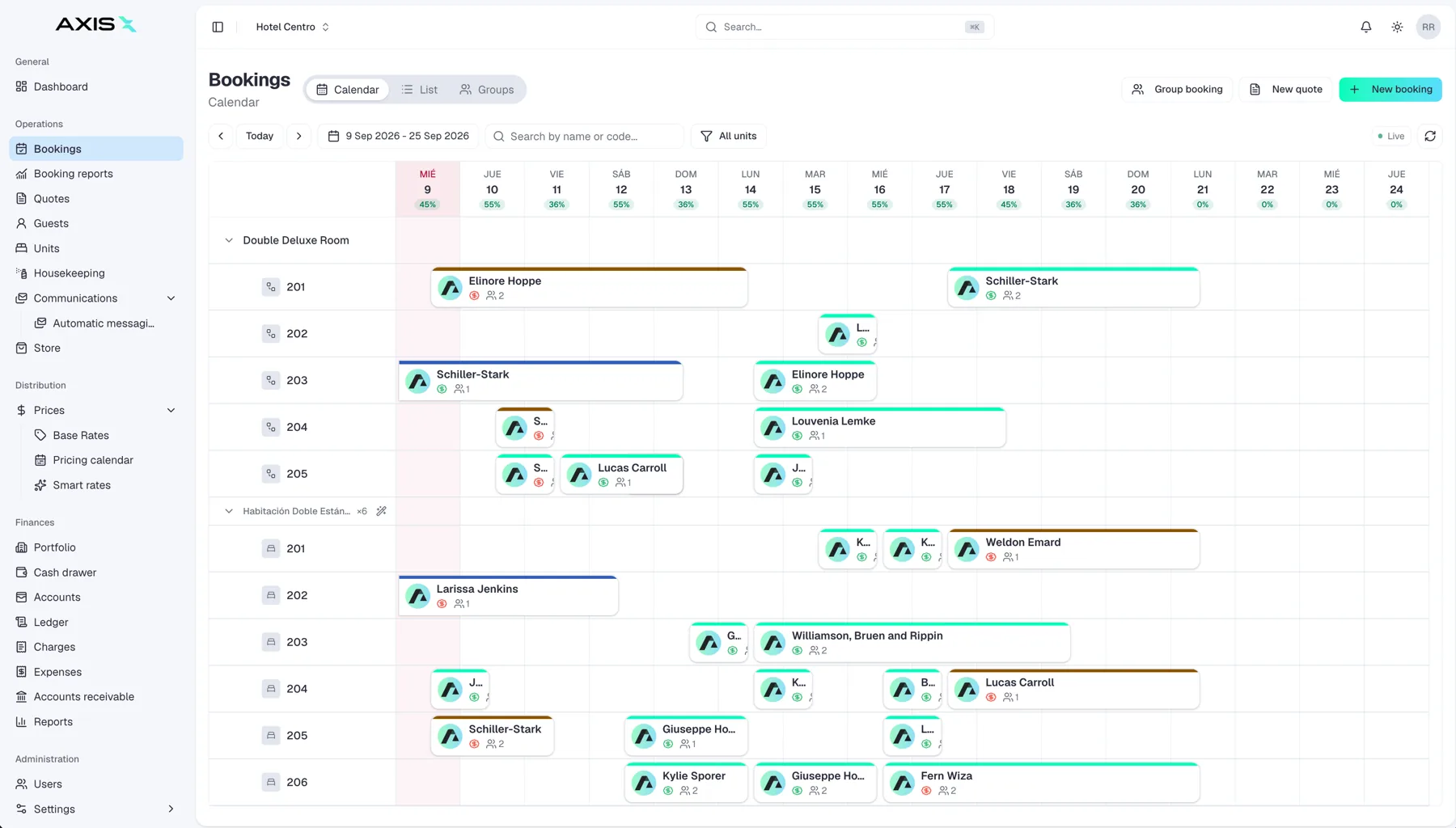
- One record per guest, not per booking. If the same person stays three times through three channels, they should show up as one guest with three stays.
- Capture the useful things: contact details and consent, stay history, room preferences, special requests, what they spent, and any problem you resolved.
- Keep it short. Ten well-kept fields beat a hundred empty ones.
- Make it visible where decisions happen: on the reservation, at the front desk, in the message templates.
- Respect privacy. Collect what you need, tell guests why, and delete what you do not use.
When reservations, messaging and guest records live in one central system, this happens almost by itself: a returning guest's history is attached to the new booking the moment it arrives, and the pre-arrival message can say "welcome back" without anyone checking a spreadsheet.
Measuring repeat rate
Loyalty is only real if you can see it in the numbers. Two simple measures are enough for most properties.
- Repeat rate: of the guests who stayed in a given period, what share had stayed before. Track it monthly or quarterly. It will be low at first for leisure properties, and that is normal; what matters is the direction.
- Direct share of repeat guests: of your returning guests, how many booked direct the second time. This tells you whether your member rate and your messaging are working.
A few practices keep the numbers honest:
- Match guests by email or phone, not just by name, so "J. Smith" and "John Smith" are one person
- Look at the numbers by segment: leisure, business, groups, long stays. Loyalty behaves differently in each
- Set a modest target and revisit it every few months, rather than chasing a chain-style benchmark that does not apply to you
If the repeat rate climbs while the direct share of repeats climbs with it, your loyalty effort is paying for itself in saved commission alone.
Frequently asked questions
Should a small hotel ever run a points program?
Rarely. Points make sense when guests visit often enough to earn something and when you can afford to manage the liability. For most independent properties, a member rate, a few perks and genuine recognition deliver more loyalty with far less administration.
How do I recognise returning guests who book through OTAs?
Match them by name, email or phone against your guest records when the booking arrives, then treat them as the returning guest they are. Some guests use a different email on each platform, so a quick check at the front desk still helps.
What is a good repeat rate for an independent hotel?
There is no universal number, because it depends heavily on location and guest type. A city hotel with business travellers will see far more repeats than a resort that guests visit once. Compare yourself to your own history, and aim for steady improvement.


 Direct
 Booking.com
 Airbnb
 Expedia