
Distribution
Hotel booking engine guide: what a good one should do
Aug 15, 2026 · 5 min read

Your website gets visitors. Some of them look at rooms, check dates and leave. A few book. The tool that decides how many of those visitors turn into guests is the booking engine, and for many independent properties it is the least examined part of the whole setup. This hotel booking engine guide covers what a booking engine is, what a good one does, how to measure whether yours is working and the mistakes that quietly kill conversion.
What a booking engine is
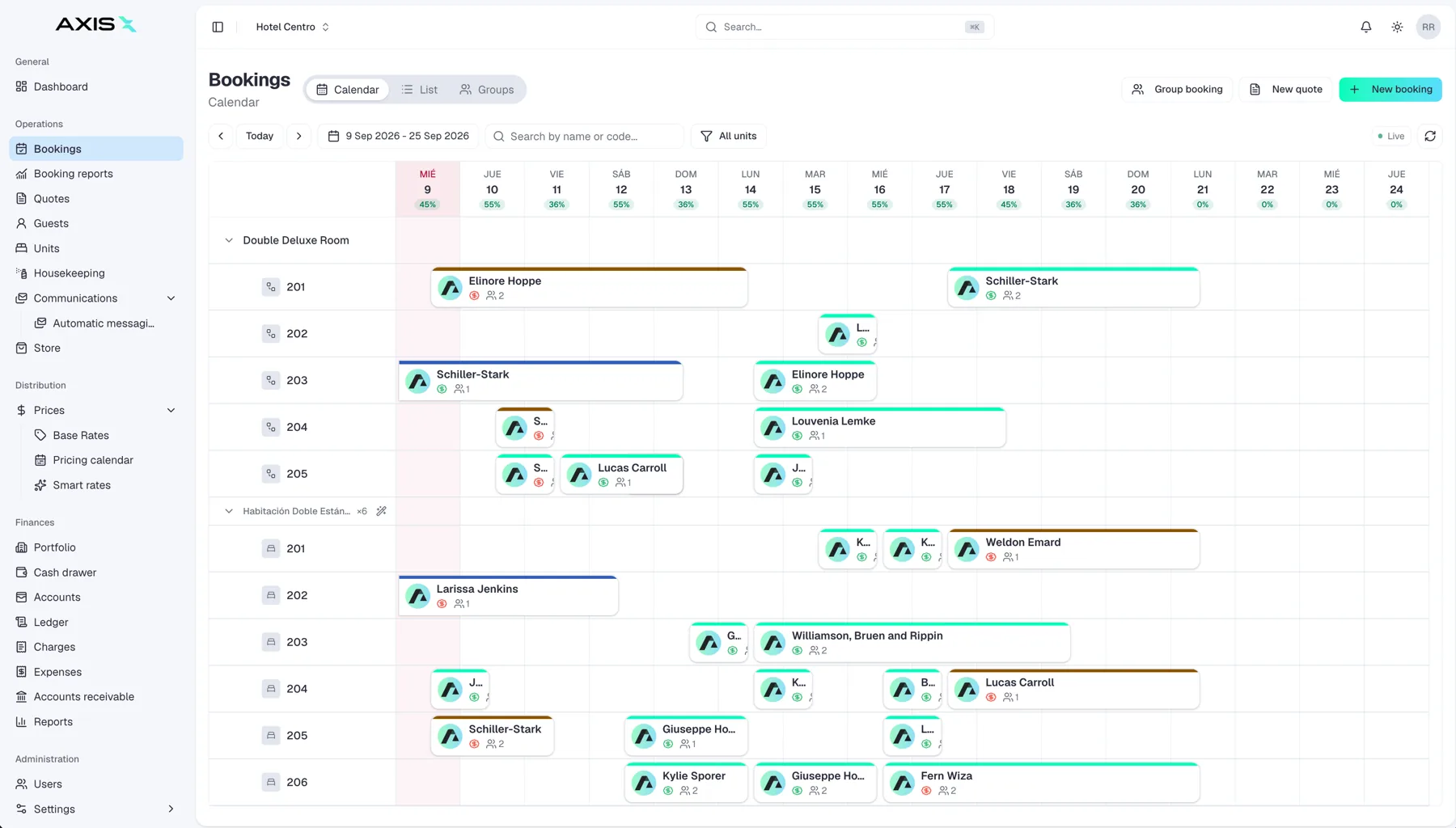
A booking engine is the part of your website where a guest picks dates, sees availability and prices, chooses a room or unit, and pays. It sits between your website and your property system: it reads live availability and rates from your calendar, and it writes new reservations back into it.
That connection is the whole point. A booking engine that is not linked to the same calendar your channels use is just a form, and a form creates double bookings and manual work. When the engine is part of a central system, a direct booking closes the dates on every OTA instantly, the same way an OTA booking does.
What a good booking engine does
Works on a phone first
A large share of hotel website traffic comes from phones, and mobile visitors are less patient than desktop ones. The engine should fit the screen, use large tap targets, show a date picker that works with a thumb, and never require pinching or sideways scrolling.
Loads fast
Every second of loading is a chance for the guest to go back to the OTA tab. Fast means the availability search returns in a few seconds at most and the page does not reload between steps.
Shows real-time availability and rates
The guest should see exactly what is bookable right now, with the same prices you publish elsewhere. Stale availability leads to declined bookings and apologies, which is the worst possible first impression.
Takes payment cleanly
Cards, local wallets where they matter, and the option to guarantee with a card instead of paying up front. A good engine handles secure payments without redirecting the guest to a page that looks like a different company, and it supports deposits and prepaid rates.
Sells more than the room
Breakfast, late checkout, parking, transfers, a bottle on arrival. Upsells offered at the right moment, usually after the room is selected and before payment, add revenue with no extra marketing cost.
Speaks the guest's language and currency
If your guests come from several countries, the engine should show the interface, the room descriptions and the policies in their language, and the price in a currency they understand.
Lives on your domain
The booking steps should run under your own domain and look like your website. A jump to an unfamiliar address breaks trust at the exact moment the guest is entering a card number.
Offers a reason to book direct
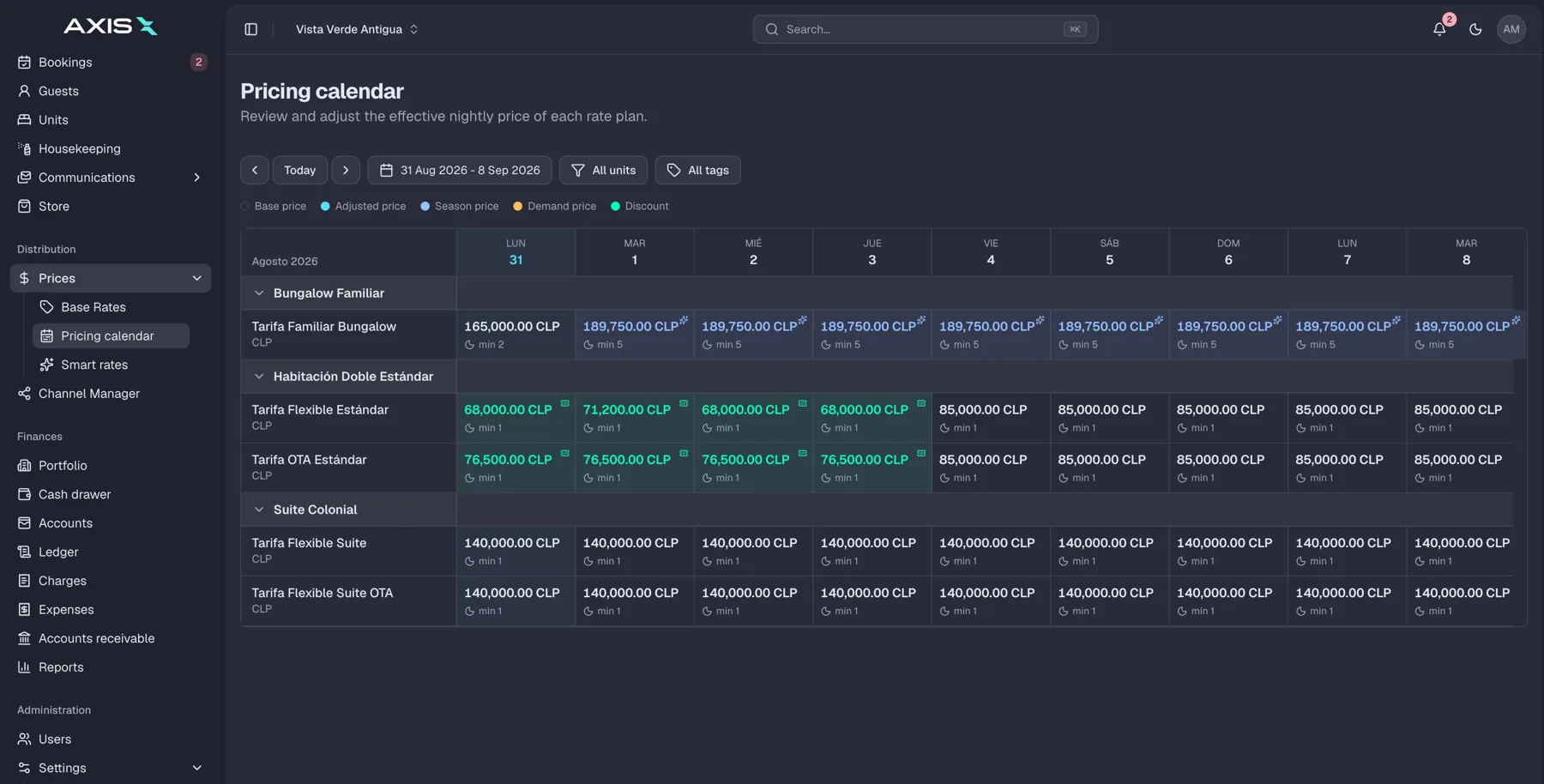
The engine should be able to show a member rate, a promo code field or a visible benefit for booking direct. Without it, the guest has no reason to prefer your site over the OTA that is open in the next tab.
How to measure conversion
Conversion rate is the share of people who start a search in the engine and end up with a confirmed booking. To measure it usefully:
- Count the visitors who reach the engine, not just the visitors who reach the website.
- Track each step: search, room selected, guest details, payment, confirmation.
- Look at the drop between steps. A big loss at the first step usually means availability or price problems; a big loss at payment usually means trust or technical issues.
- Segment by device. Mobile conversion is often lower, and the gap tells you how much work the mobile experience needs.
- Compare booking value, not only count. An engine that sells upsells can be worth more with the same conversion rate.
Compare against yourself over time rather than against published benchmarks. Conversion varies enormously by property type, market and traffic source, so your own trend is the number that matters.
Common mistakes that kill conversion
- Hidden prices. Requiring dates before showing any price sends guests back to the OTA, where prices are visible immediately.
- Surprise fees at the last step. Taxes, cleaning fees or resort fees that appear only at checkout are a top cause of abandonment.
- Long forms. Asking for a passport number, a full address and a phone number before payment. Ask for what you need to confirm the stay and collect the rest at check-in.
- Forced account creation. Guests want to book, not register.
- Rates worse than the OTA. If your own website is more expensive, everything else is irrelevant.
- Unclear cancellation policy. Guests who cannot find the policy assume the worst.
- Broken confirmation. No confirmation email, or one that arrives hours later, creates doubt and support calls.
- No way to ask a question. A guest with a quick question and no way to ask it usually leaves.
Most of these are not technology limits. They are settings, copy and policy choices you can change this week.
Frequently asked questions
Do I need a booking engine if I am already on the big OTAs?
Yes, if you want any share of bookings without commission and any direct relationship with guests. Many travelers check a property's website after finding it on an OTA, and without an engine that visit ends in nothing.
Should the booking engine be part of my property system or a separate tool?
A built-in engine that shares the same calendar avoids sync gaps and reduces manual work. A separate tool can work if the integration is real-time, but every extra connection is another place where availability can drift.
How much should a booking engine cost?
Models vary from a flat monthly fee to a small commission per direct booking. Compare the total cost with what you pay OTAs for the same volume, and remember that a better converting engine can be worth more than a cheaper one.



 Direct
 Booking.com
 Airbnb
 Expedia