
Distribution
Direct bookings vs OTAs: the balance that actually works
Jul 14, 2026 · 5 min read

Ask ten operators about OTAs and you will hear the same tension: they love the demand and resent the commission. Some respond by fighting the platforms with lower direct rates and angry emails to guests. Others give up and let Booking.com or Airbnb become their only sales channel. Neither works for long. The productive answer to direct bookings vs OTAs is not picking a side, it is balance: a channel mix you set on purpose, measure monthly, and adjust as the property matures.
This article walks through what each channel is actually for, how to shift the right guests to direct, and what your systems need so the mix becomes a dial rather than a fight.
What OTAs are for
OTAs are marketing you pay for only when it works. Booking.com, Expedia, Airbnb and Vrbo put your property in front of travelers you could never reach alone, in markets you have never visited, in languages you do not speak. For a new property, they are the fastest path to occupancy. For an established one, they fill the shoulder dates and the last-minute gaps.
The commission is real, but so is the demand, and the comparison many operators skip is what that demand would cost to generate yourself. Paid search, social ads, a translated website and someone to manage all of it add up quickly. For most small and mid-sized properties, an OTA commission on a first-time guest is a reasonable acquisition cost.
Where OTAs stop being useful is when they carry guests who would have booked direct anyway: your repeat guests, your corporate accounts, the people who searched your name and clicked the first result. Paying commission on those is the leak worth closing.
What direct bookings are for
A direct booking has no commission, gives you the guest relationship from day one, and makes your business more resilient. You hold the email address, you set the policy, you decide what the confirmation says. Every guest who books direct is a guest no algorithm can take away from you, and no platform can reprice.
Direct also lets you sell what OTAs cannot: a room with the parking spot included, a late checkout bundled with breakfast, a meeting room for the afternoon, a package for the local festival. These are higher-margin and they build the habit of coming to you first.
The trade-off is that direct demand has to be earned. It comes from guests who already know you, and from a website that is easy to find and easy to book. Neither happens on its own.
Direct bookings vs OTAs: the balance in practice
The aim is a mix, not a victory. Here is the pattern that works for hotels, rentals and hostels alike.
Use OTAs for discovery
Accept that first-time guests will mostly find you on the platforms. Keep your listings complete, your photos current and your reviews answered, because a strong OTA listing also drives people to search your name and book direct.
Convert repeat guests to direct
This is where the margin is. Collect email addresses at check-in, with consent. Send a simple message after the stay with a reason to return and a direct booking link. Offer a benefit that costs you little and that the platforms cannot match: flexible check-in, a room upgrade when available, a locals' guide, a small discount on extras.
Keep rate parity honest
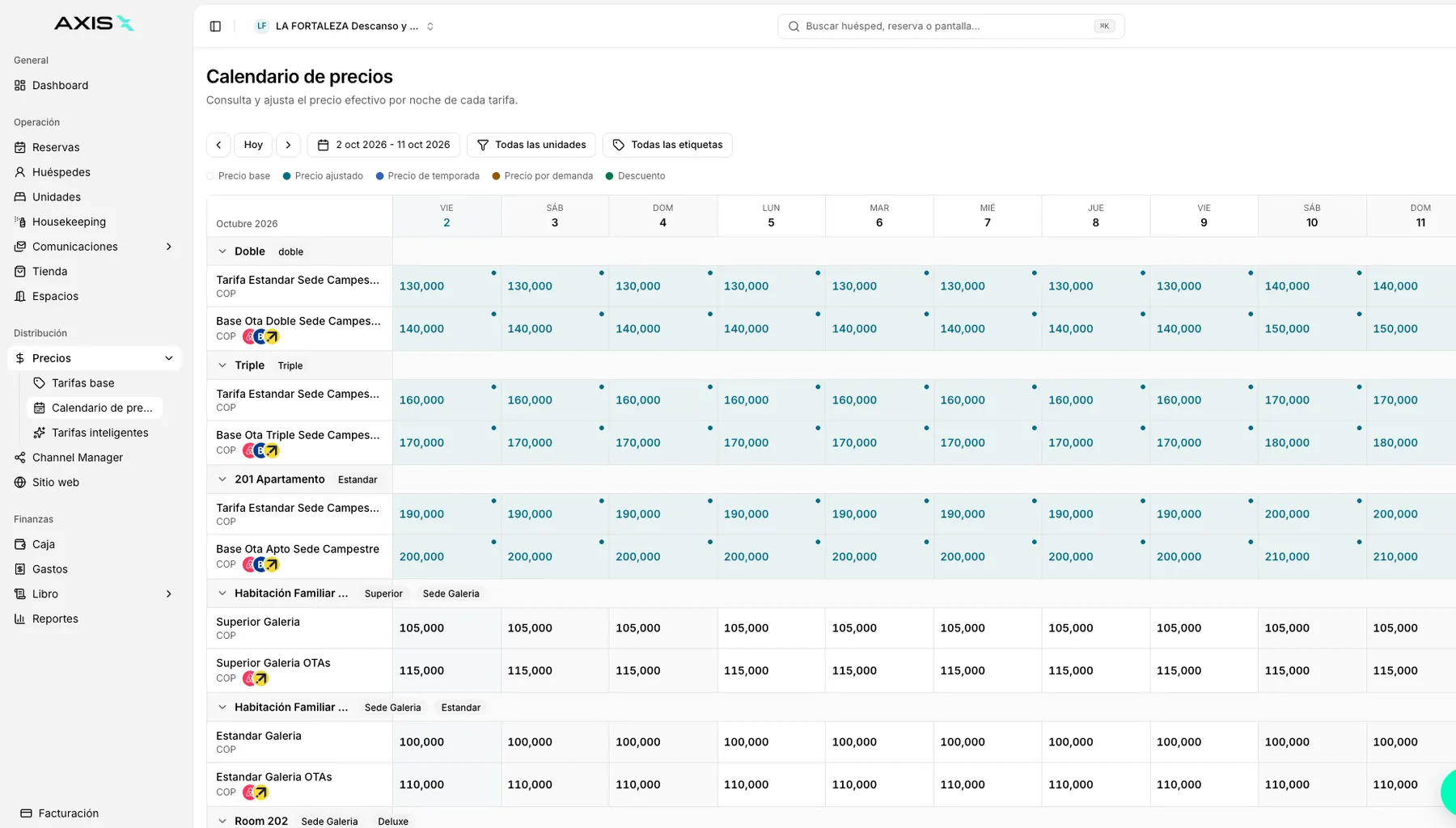
Most OTA contracts ask for rate parity on the public room rate. You can still make direct more attractive with value rather than price: perks, packages and flexible policies. Check your contracts before promising anything, and never undercut yourself by accident through a forgotten promotion.
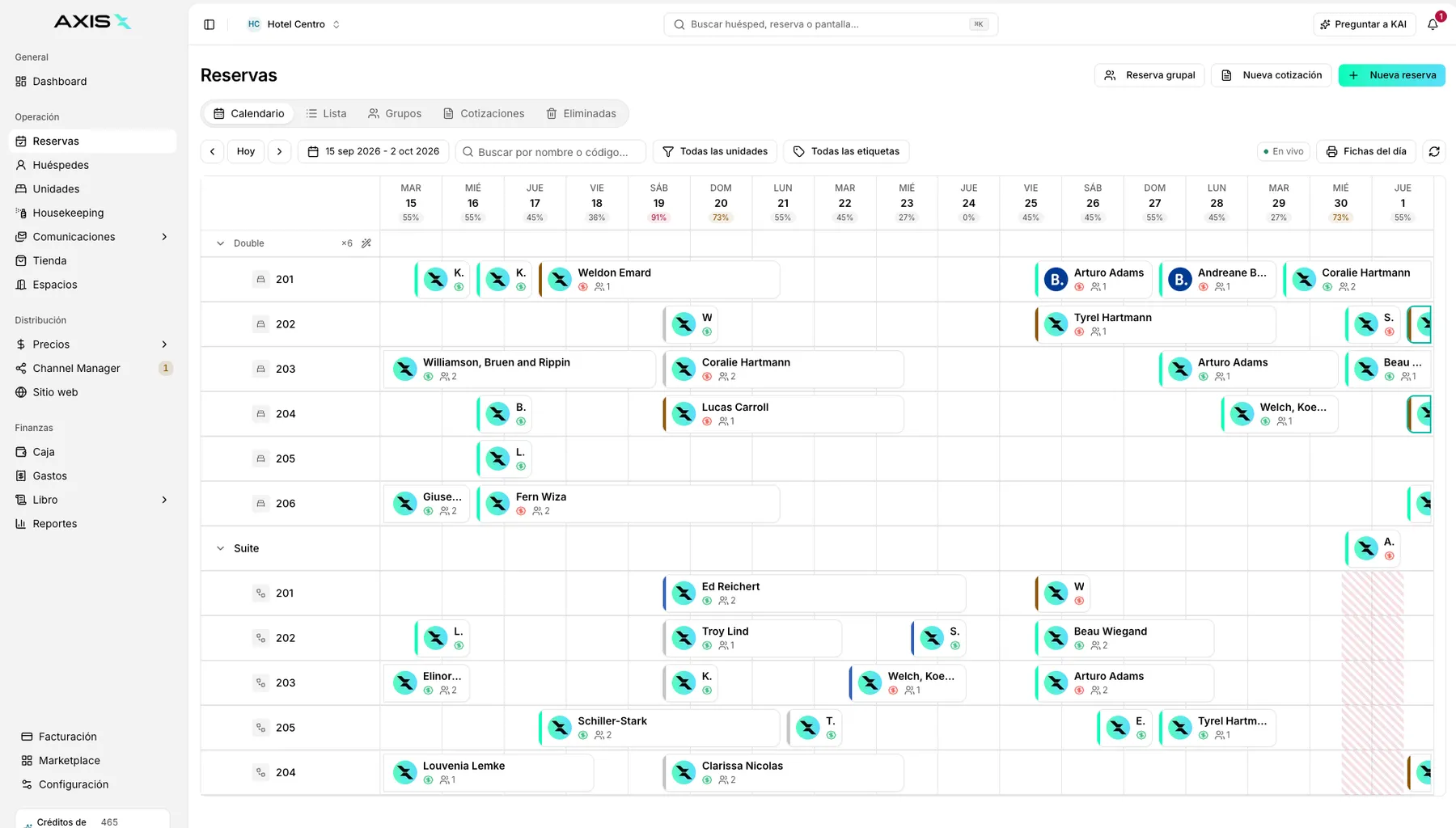
Put every channel on one calendar
Your direct website must sit on the same real-time calendar as every OTA, with the same rates and the same availability. Otherwise direct becomes the channel that causes double bookings, and the team starts to fear it.
Measure the mix monthly
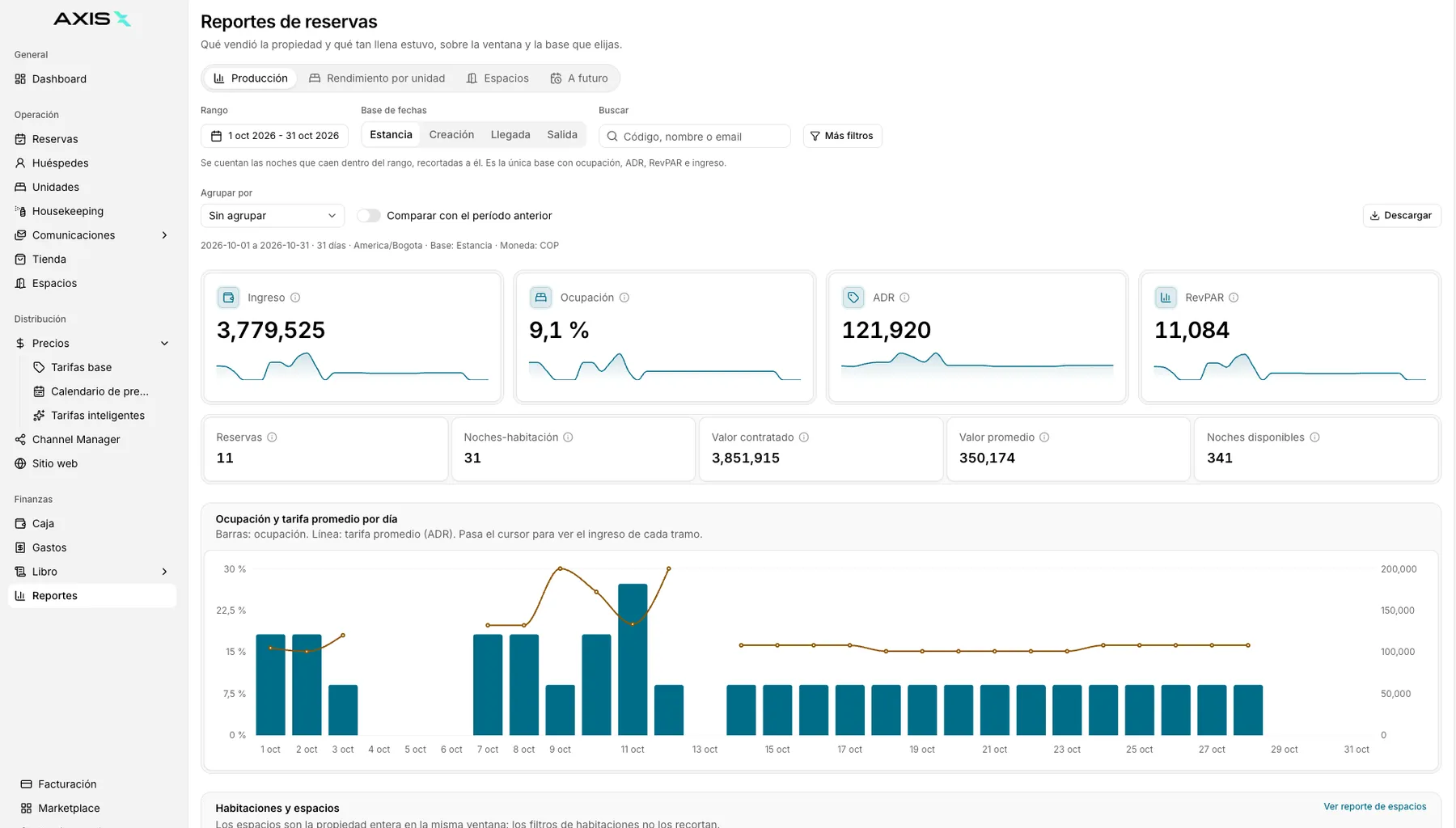
Watch the share of direct bookings per month, not per booking, and set a target that fits your market. A city hotel with corporate accounts and a beach rental that sells mostly to first-time visitors should not aim for the same number. Track the trend and the cost per acquisition by channel, and let those two figures guide changes.
Common mistakes that tip the balance
- Turning off OTAs to "force" direct, then losing the discovery traffic that fed your direct growth.
- Pricing direct far below the OTAs, breaking parity and inviting the platforms to bury your listing.
- Treating direct as a separate tool with its own calendar and its own payment process.
- Ignoring cancellation rates by channel, so a high-cancellation channel looks better than it is.
- Never asking guests where they first heard of you, so the discovery data stays a guess.
The system requirement
None of this works if direct bookings live in a separate tool. Your booking engine must be one more channel on the same central calendar, with the same rates, the same restrictions and the same payment flow. Then every reservation, direct or OTA, lands in the same place, guest profiles are not duplicated, and the reports show the true mix without a spreadsheet in between.
When that is in place, the balance stops being a philosophy and becomes a monthly decision: this share direct, that share from the platforms, adjusted when the numbers say so.
Frequently asked questions
What is a healthy direct booking share?
It depends on your market and your guest mix, so distrust any single number. A more useful target is a rising trend: if your direct share grows a little each quarter while total occupancy holds, the balance is working.
Should I offer a lower price on my website?
Only if your OTA contracts allow it, and even then, value usually beats discount. A perk that costs you little feels more generous than a small percentage off, and it does not train guests to wait for deals.
Do OTAs penalize properties for pushing direct bookings?
Platforms reward listings that convert well and honor their contracts. Encouraging repeat guests to book direct after a stay is normal practice. Breaking parity or cancelling OTA bookings to resell direct is what causes problems.


 Direct
 Booking.com
 Airbnb
 Expedia